Lately, the buzz around Reverse 1999 has been impossible to ignore, captivating fans with its enigmatic storyline and complex characters. If you’ve been curious about what makes this universe so compelling, you’re in the right place.
Dive in as we unravel the mysteries, exploring the hidden layers and the intriguing personalities that bring this world to life. Whether you’re a longtime follower or new to the scene, this guide promises fresh insights and a deeper appreciation for the lore that’s keeping everyone hooked.
Let’s embark on this journey together and uncover the secrets behind Reverse 1999’s captivating charm.
The Intricate Worldbuilding of Reverse 1999
The Timeline Puzzle
One of the most fascinating aspects of Reverse 1999 is its nonlinear timeline. Unlike traditional storytelling where events unfold chronologically, this universe jumps between different points in time, creating a layered narrative that demands active engagement.
Fans often find themselves piecing together clues from flashbacks and foreshadowing scenes to make sense of the overarching plot. This fragmented chronology isn’t just a gimmick—it deepens the mystery and allows for richer character development as past and future selves collide in unexpected ways.
From my experience following the series, it’s like solving a captivating puzzle where every new episode or chapter unlocks a fresh perspective on previously seen events.
The Setting’s Unseen Corners
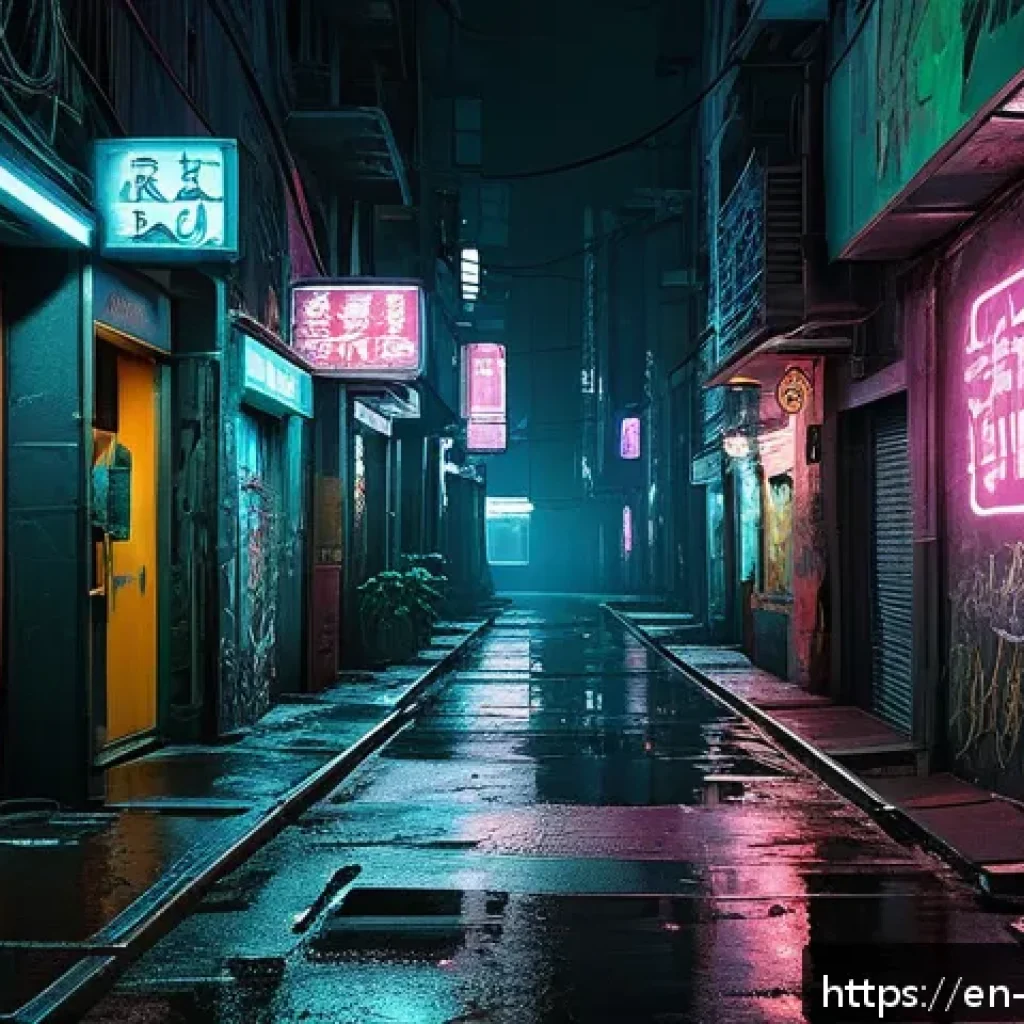
Beyond the timeline, the setting itself is a character in its own right. The urban landscapes blend futuristic technology with retro aesthetics, evoking a nostalgic yet unsettling atmosphere.
Hidden alleys, cryptic murals, and abandoned buildings hint at a world on the brink of transformation or collapse. I found myself revisiting scenes just to catch subtle environmental storytelling elements, such as graffiti symbols or background dialogues, that reveal the socio-political tensions simmering beneath the surface.
This attention to detail adds layers of authenticity, making the Reverse 1999 universe feel lived-in and emotionally resonant.
Technological Wonders and Anomalies
Technology in Reverse 1999 isn’t merely futuristic gadgets; it’s intertwined with the storyline’s core mysteries. Advanced AI, enigmatic devices, and unexplained phenomena pepper the narrative, blurring the line between science and the supernatural.
What intrigued me most was how these elements challenge characters’ perceptions of reality, often forcing them to question their own memories and identities.
This thematic use of technology elevates the story beyond simple sci-fi tropes, inviting viewers to ponder deeper philosophical questions about existence and consciousness.
Character Complexity Beyond First Impressions
Duality and Hidden Motives
One thing I noticed is how Reverse 1999 thrives on character duality. Many protagonists and antagonists harbor secrets that gradually unravel, revealing conflicting motivations that defy black-and-white morality.
This complexity keeps viewers guessing about who to trust, as loyalties shift and hidden agendas come to light. For example, a seemingly cold character might display moments of vulnerability, while a charming ally might conceal darker intentions.
This nuanced portrayal makes interactions unpredictable and deeply engaging.
Growth Through Conflict
Character development in this universe feels organic and driven by conflict, both internal and external. Watching the characters grapple with their past mistakes, ethical dilemmas, and personal relationships adds emotional weight to the unfolding drama.
I found that these struggles resonate because they mirror real human experiences, despite the sci-fi setting. It’s this blend of relatability and fantasy that hooks fans and keeps them invested in the characters’ journeys.
Symbolism in Character Design
The visual design of characters isn’t just for aesthetics; it carries symbolic meaning reflecting their personalities and arcs. From color schemes to accessories, every detail contributes to storytelling.
For instance, one character’s recurring motifs might signal their connection to certain factions or themes like rebellion or redemption. Spotting these visual clues enhances the viewing experience by adding another interpretative layer, almost like decoding a hidden language embedded in the art.
The Role of Mystery and Suspense in Storytelling
Strategic Information Disclosure
Reverse 1999 masterfully controls the flow of information, revealing just enough to intrigue without spoiling key plot points. This careful pacing builds suspense and keeps audiences on edge, eager for answers but satisfied with tantalizing hints.
As someone who enjoys piecing together mysteries, I appreciate how the creators balance clarity and ambiguity—never making the story feel rushed or convoluted.
The Impact of Cliffhangers
Cliffhangers are a staple in Reverse 1999, often ending episodes or chapters with shocking revelations or unanswered questions. This technique not only sustains interest between installments but also sparks vibrant fan discussions and theories.
Experiencing the suspense firsthand, I often find myself rewatching or rereading scenes to catch subtle foreshadowing I missed, which enriches the overall engagement.
Fan Theories and Community Interaction
The enigmatic nature of the story has fostered a passionate fan community that thrives on theorizing and dissecting every detail. Online forums and social media buzz with debates over character fates, timeline interpretations, and hidden messages.
Being part of these conversations adds a social dimension to the experience, making Reverse 1999 more than just a narrative—it becomes a shared adventure.
Understanding the Lore Through Key Factions and Groups
The Power Struggles
Central to the narrative are various factions vying for control or survival, each with distinct ideologies and resources. These groups drive much of the conflict and influence the characters’ decisions.
I found it fascinating how the series paints these factions not as mere villains or heroes, but as complex entities shaped by history and circumstance, adding depth to the political landscape.
Hidden Agendas and Alliances
Alliances in Reverse 1999 are fluid and often deceptive, reflecting the unstable nature of trust within this world. Characters frequently navigate shifting loyalties, which can turn allies into enemies overnight.
This unpredictability adds a layer of tension, as no alliance feels permanent or guaranteed.
Symbolic Significance
Many factions are represented by symbols or motifs that carry thematic weight. These emblems often appear in key scenes, serving as visual shorthand for power dynamics or philosophical ideas.
Recognizing these symbols helps decode the larger narrative and appreciate the creators’ meticulous worldbuilding.
The Emotional Undercurrents Driving the Plot
Personal Loss and Redemption
Beneath the sci-fi veneer, Reverse 1999 is a deeply emotional story about loss, regret, and the quest for redemption. Characters frequently confront their past traumas, which informs their motivations and relationships.
From my perspective, this emotional core is what makes the series truly compelling—it grounds the fantastical elements in human experience.
Interpersonal Relationships
Relationships in this universe are complex and often strained by external pressures. Friendships, rivalries, and romances evolve in unpredictable ways, reflecting the characters’ growth and the story’s themes.
I’ve noticed that these dynamics add layers of realism and relatability, making the stakes feel personal rather than abstract.
The Role of Hope Amidst Chaos
Despite the dark and often bleak setting, moments of hope and resilience shine through. Characters’ determination to change their fate or protect loved ones injects optimism into the narrative.
This balance between despair and hope resonates strongly, creating a nuanced emotional landscape that keeps viewers emotionally invested.
Visual and Audio Elements Enhancing the Experience
Art Style and Atmosphere
The art direction in Reverse 1999 is striking, blending sharp, futuristic designs with gritty, lived-in textures. This contrast reinforces the tension between progress and decay that permeates the story.
Personally, I find the visual style captivating because it’s both aesthetically pleasing and thematically rich, elevating the storytelling.
Soundtrack and Sound Design
The music and sound effects are carefully crafted to complement the mood and pacing. From haunting melodies to intense action scores, the audio landscape immerses the audience fully into the world.
I recall moments where the soundtrack heightened emotional scenes or suspenseful sequences, making the experience more visceral and memorable.
Symbolic Use of Color and Lighting
Color palettes and lighting choices play a subtle but powerful role in conveying mood and theme. Dark shadows, neon glows, and muted tones are used strategically to reflect the characters’ emotional states or foreshadow events.
This sophisticated use of visual cues adds an extra dimension to the narrative, rewarding attentive viewers.
| Aspect | Description | Impact on Story |
|---|---|---|
| Nonlinear Timeline | Events unfold out of chronological order, requiring active engagement | Enhances mystery and character depth |
| Factions | Multiple groups with distinct ideologies and shifting alliances | Drives conflict and political intrigue |
| Character Duality | Characters with complex motives and hidden sides | Keeps audience guessing and adds realism |
| Visual Symbolism | Use of motifs and color to convey themes | Deepens thematic resonance and viewer immersion |
| Soundtrack | Music and sound design tailored to mood | Amplifies emotional and suspenseful moments |
In Closing
Reverse 1999 is more than just a story; it’s an intricate experience that challenges how we perceive time, identity, and connection. Its complex narrative and rich worldbuilding invite viewers to dive deep and engage actively with every detail. From the layered characters to the immersive setting, this series offers a compelling blend of mystery, emotion, and thought-provoking themes that stay with you long after watching.
Helpful Information to Keep in Mind
1. The nonlinear timeline requires careful attention to piece together the full story, making each episode rewarding for active viewers.
2. Character motivations are rarely straightforward, so expect surprises and evolving relationships that add depth to the plot.
3. Visual and audio elements are deliberately crafted to enhance mood and foreshadow events—don’t overlook subtle details.
4. Factions and alliances shift frequently, reflecting the unstable political landscape and keeping the tension high.
5. Engaging with the fan community can enrich your understanding and enjoyment through shared theories and discussions.
Key Takeaways
Reverse 1999’s success lies in its seamless blend of complex storytelling and emotional depth. Its layered timeline and multifaceted characters create a dynamic narrative that demands active viewer participation. The series’ detailed world, from symbolic visuals to immersive soundscapes, amplifies the experience, while the ever-changing alliances and underlying mysteries keep the suspense alive. Ultimately, it’s a story about human resilience and hope amid chaos, wrapped in a uniquely crafted sci-fi setting.
Frequently Asked Questions (FAQ) 📖
Q: uestions about Reverse 1999Q1: What is the main storyline of Reverse 1999?
A: Reverse 1999 centers around a mysterious universe where time and reality intertwine, creating a complex narrative filled with unexpected twists. At its core, the story explores characters navigating through fragmented timelines and hidden motives, which keeps fans guessing.
What really draws people in is how each episode peels back layers of the plot, revealing deeper secrets and emotional conflicts that make the universe feel alive and immersive.
Q: Who are the key characters in Reverse 1999, and why are they so intriguing?
A: The characters in Reverse 1999 stand out because they’re anything but one-dimensional. Each has a rich backstory that gradually unfolds, showing flaws, ambitions, and hidden agendas.
For instance, the protagonist’s struggle with their past and the enigmatic antagonist’s true intentions create a dynamic tension that hooks viewers. It’s this depth and unpredictability in their personalities that make the characters relatable and endlessly fascinating.
Q: How can new fans get the most out of Reverse 1999?
A: For newcomers, the best way to dive into Reverse 1999 is by paying close attention to subtle details and recurring themes, as these often hint at larger plot developments.
Engaging with fan communities and discussions can also enhance understanding and enjoyment, as many theories and interpretations add fresh perspectives.
Personally, I found re-watching episodes with this in mind revealed nuances I initially missed, making the whole experience much richer.