
Navigating the world of Reverse:1999 can feel overwhelming at first, especially when aiming to build your characters efficiently. With so many options and resources available, knowing where to focus your time and energy is crucial for steady progress.
From leveling strategies to skill optimization, every choice impacts your gameplay experience. Having tested various approaches myself, I’ve found some techniques that truly speed up growth without burning out.
Whether you’re a newcomer or looking to refine your tactics, mastering efficient development is key to success. Let’s dive deeper and explore the best ways to level up smartly in the guide below!
Prioritizing Your Early Game Quests for Maximum Experience
Identifying High-Reward Missions
In Reverse:1999, not all quests are created equal, especially when you’re aiming to level up quickly. Early on, focusing on missions that offer the most experience points relative to time spent is crucial.
From my experience, side quests that involve defeating multiple enemies or collecting rare items tend to give better XP returns than simple fetch quests.
It’s tempting to rush through everything, but targeting these high-yield tasks drastically cuts down grind time. Plus, some of these missions unlock valuable resources or gear that make subsequent challenges easier.
I usually map out these quests first, marking them as priorities so I don’t get distracted chasing minor rewards.
Balancing Quest Completion with Exploration
While sticking to efficient quests is important, don’t ignore exploration. I found that wandering off the beaten path occasionally rewards you with hidden caches or secret encounters that provide bonus experience or unique crafting materials.
This balance between focused questing and strategic exploration keeps the gameplay fresh and prevents burnout. A tip I picked up is to revisit earlier zones with improved gear to find hidden challenges you might have missed.
This approach not only boosts your XP but also enriches your overall gaming experience by uncovering the game’s lore and secrets.
Optimizing Party Composition for Quest Efficiency
Choosing the right party members significantly influences how quickly you can finish quests. Some characters excel at crowd control, while others shine in single-target damage or healing.
In my runs, assembling a balanced team that complements each other’s skills means I spend less time waiting for cooldowns or reviving downed allies. This efficiency translates into faster quest completion and smoother progression.
It’s also worth swapping out party members depending on the quest type—some excel in combat-heavy missions, while others are better for stealth or puzzle elements.
Smart Skill Point Allocation to Maximize Growth
Focusing on Core Abilities Before Branching Out
When investing skill points, I always recommend players concentrate on strengthening their core abilities first. These are the skills that you’ll rely on the most throughout the game.
Spreading points too thinly across many skills might feel versatile but often leads to underpowered abilities. For example, if your character is designed as a damage dealer, maxing out key attack skills early on provides a noticeable boost in combat efficiency.
From personal trials, this focused approach not only speeds up leveling but also makes battles less frustrating.
Reserving Points for Late-Game Unlocks
Reverse:1999 has some powerful skills unlocked only at higher levels. I found it helpful to save a portion of skill points rather than using them all immediately.
This way, when you reach those advanced tiers, you can unlock game-changing abilities that significantly improve your performance. Planning ahead and checking skill trees periodically ensures you don’t miss out on these potent upgrades.
It’s a bit like saving money for a big purchase—you feel more prepared and powerful when the time comes.
Experimenting with Hybrid Builds
While a focused build is generally more effective, don’t be afraid to experiment with hybrid skill sets once you’re comfortable. For example, mixing some defensive skills into a primarily offensive build can increase survivability, allowing you to stay in fights longer and grind experience more safely.
I personally tried this approach after reaching mid-levels and noticed a smoother gameplay flow, as I wasn’t forced to retreat as often. Just keep in mind that hybrids require careful balancing to avoid diluting your character’s effectiveness.
Efficient Resource Management for Sustained Progress
Prioritizing Resource Gathering Based on Needs
Resources in Reverse:1999 are the backbone of your character’s development, but hoarding everything isn’t practical. From my gameplay, I learned to prioritize gathering materials that directly support your current goals, whether that’s crafting better gear or upgrading skills.
For instance, if you’re focusing on enhancing weapons, gather ores and crafting components related to that path first. This targeted resource management saves time and inventory space, making your progression smoother.
Utilizing Crafting and Upgrading Wisely
Crafting can be a real game-changer if done strategically. I recommend focusing on upgrading a few key items rather than spreading materials across many mediocre ones.
This approach ensures your gear remains competitive with your level and encounters, reducing the need to grind for better equipment constantly. Experimenting with crafting recipes also unveiled some unexpected bonuses and enhancements I hadn’t anticipated, which gave me an edge in tougher battles.
Trading and Market Utilization
Don’t overlook the in-game trading systems or market features. Selling surplus items or trading for rare materials can accelerate your growth by freeing up resources and generating in-game currency.
I often check market prices and trends before deciding whether to keep or sell items, which helped me fund important upgrades without farming endlessly.
Smart trading is a subtle but powerful way to maintain a steady flow of resources.
Mastering Combat Tactics for Faster Leveling
Learning Enemy Patterns and Weaknesses
Understanding the behavior of enemies and their weaknesses is a game-changer in Reverse:1999. I spent time observing attack patterns and elemental vulnerabilities, which allowed me to exploit these in fights effectively.
For example, some enemies are susceptible to stun or slow effects, making battles significantly shorter. This knowledge not only saves time but also conserves valuable healing items and resources.
Utilizing Positioning and Environment
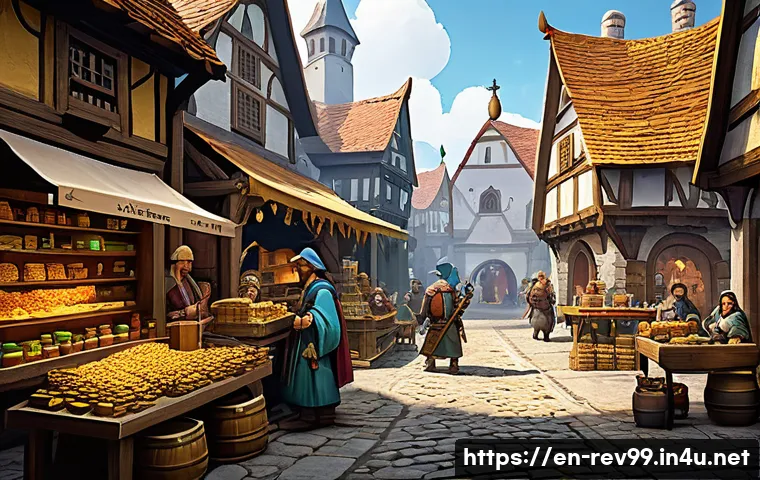
Combat isn’t just about raw power—it’s also about where and how you fight. I found that using terrain advantages like choke points or high ground reduced the damage my team took and allowed me to control the flow of battle better.
Positioning your characters strategically can turn even tough encounters into manageable skirmishes. This tactic also helps when facing multiple enemies, giving you room to retreat or regroup when needed.
Timing Skill Usage for Maximum Impact
Skill cooldowns and timing matter a lot. In my experience, holding off on using powerful abilities until the right moment can change the outcome of a fight.
For instance, saving a big area-of-effect attack for when enemies cluster together maximizes damage efficiency. Conversely, using defensive skills preemptively before a heavy hit lands can prevent critical damage.
Practicing this timing takes a bit of patience but pays off with smoother combat and less wasted effort.
Leveraging Daily Activities and Events for Bonus Gains
Participating in Time-Limited Events
Reverse:1999 frequently hosts events that offer exclusive rewards and bonus experience. I always make it a point to join these because the rewards often include rare materials, unique gear, or significant XP boosts that aren’t available elsewhere.
Even if you can’t dedicate hours daily, logging in to complete event tasks can give your progress a noticeable push. It’s like catching a wave that propels you forward faster than regular gameplay.
Maximizing Daily Quests and Challenges
Daily quests and challenges are reliable sources of steady rewards. I treat them as a routine, completing them early in my play sessions to ensure I don’t miss out.
They often require minimal effort but yield valuable experience and resources. Building this habit creates a consistent growth pattern without the need for marathon grinding sessions, which is perfect for busy players.
Utilizing Rest and Offline Rewards
Some mechanics reward you for time spent offline or resting your character. I found this especially useful during days when I couldn’t play actively. By logging in periodically to collect these passive rewards, I maintained a steady influx of resources and experience.
It’s a low-effort way to keep your progress moving forward, complementing more active gameplay strategies.
Tracking Your Progress and Adjusting Strategies
Keeping an Eye on Experience and Resource Metrics
Regularly monitoring your XP gain rates and resource usage can reveal what’s working and what isn’t. I use simple spreadsheets or note apps to jot down which quests or activities yield the best returns.
This habit helped me cut out inefficient farming loops and focus on high-impact tasks. It’s surprising how small adjustments based on data can dramatically improve your leveling speed.
Adapting to Game Updates and Meta Changes
Reverse:1999 evolves with patches and balance changes, so staying informed is key. I follow official announcements and community forums to understand how new updates affect skill performance or resource availability.
Adapting your build and strategy accordingly prevents you from falling behind and keeps your gameplay optimized. It’s a dynamic process but rewarding in the long run.
Setting Realistic Short-Term Goals
Breaking down your ultimate leveling goal into smaller milestones makes the journey less daunting. I set weekly or daily targets, like reaching a certain level or acquiring specific gear, which keeps me motivated and focused.
Celebrating these small wins also makes the grind enjoyable rather than tiresome. Plus, it allows for flexibility in adjusting your tactics if something isn’t working.
| Focus Area | Recommended Approach | Benefits |
|---|---|---|
| Early Quests | Prioritize high XP and resource-rich missions | Faster leveling, better gear early on |
| Skill Allocation | Max core skills first, save points for late unlocks | Stronger abilities, efficient growth |
| Resource Management | Gather materials based on current goals | Less waste, faster upgrades |
| Combat Strategy | Learn enemy weaknesses, use positioning | Quicker battles, less resource consumption |
| Daily Activities | Complete events and daily quests consistently | Steady XP and rare rewards |
| Progress Tracking | Monitor XP and adjust strategy regularly | Optimized leveling, avoids wasted effort |
글을 마치며
Mastering Reverse:1999 requires a smart blend of strategy, patience, and adaptability. By prioritizing high-value quests, optimizing skill points, and managing resources efficiently, you can accelerate your leveling journey significantly. Remember, balancing focused gameplay with exploration and staying up to date with game changes keeps the experience engaging and rewarding. Keep refining your approach, and the progress will come naturally.
알아두면 쓸모 있는 정보
1. Prioritize quests that offer the best experience rewards relative to time spent to maximize early game progression.
2. Don’t neglect exploration; hidden secrets and revisiting areas with better gear can yield valuable bonuses.
3. Build a balanced party tailored to the mission type to complete quests faster and with less downtime.
4. Save skill points for powerful late-game abilities while focusing early points on core skills for stronger combat performance.
5. Utilize daily quests, events, and offline rewards consistently to maintain steady growth without burnout.
핵심 포인트 정리
Efficient leveling in Reverse:1999 hinges on targeting high-reward missions and smart skill development. Managing resources with a clear focus and adapting combat tactics to enemy behaviors further streamlines your progress. Incorporating daily activities and tracking your performance allows for ongoing optimization, ensuring you stay ahead in the evolving game landscape. Staying flexible and informed is key to making your journey both effective and enjoyable.
Frequently Asked Questions (FAQ) 📖
Q: What is the fastest way to level up my characters in Reverse:1999 without burning out?
A: From my experience, the key is balancing focused grinding with efficient resource use. Prioritize completing daily quests and event missions since they offer high XP rewards and valuable items without requiring endless grinding.
Pair this with targeted farming in zones where your character’s skills are most effective. This method keeps the gameplay fresh and prevents burnout by mixing up activities, while steadily pushing your levels up.
Q: How should I optimize skill upgrades for the best performance during early to mid-game?
A: Early on, focus on upgrading skills that boost your damage output or survivability significantly. I found that investing in a few core skills rather than spreading points thinly across many abilities makes a big difference in combat efficiency.
Also, pay attention to synergy between skills; for example, pairing crowd control with area damage skills speeds up clearing mobs, which accelerates leveling and resource gathering.
Q: Are there any must-have resources or items I should prioritize collecting to enhance character development?
A: Definitely prioritize collecting upgrade materials and crafting components that improve your gear’s stats. In my playthrough, farming specific bosses or completing certain challenges yielded rare drops that drastically boosted my character’s power.
Also, don’t overlook consumables like experience boosters or stat-enhancing potions—they might seem minor but can give a noticeable edge during tough grinding sessions or boss fights.