
Jumping into Reverse: 1999 can feel overwhelming at first, especially when you’re just starting out. The fast-paced combat and strategic elements require more than just quick reflexes—they demand smart decision-making and timing.
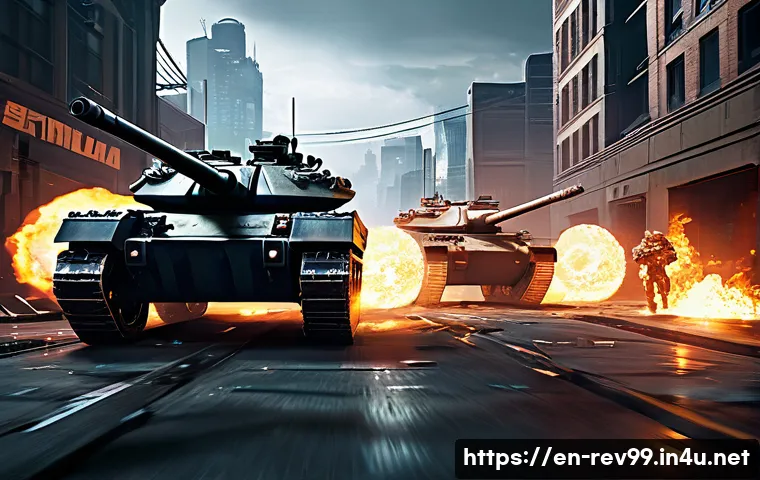
From mastering basic controls to understanding enemy patterns, every bit of knowledge helps you survive longer and climb the ranks. I’ve spent hours experimenting with different tactics, and trust me, even small adjustments can make a huge difference in your gameplay.
Ready to level up your skills and dominate the battlefield? Let’s dive into the details below and get you fully prepared!
Understanding the Core Mechanics of Combat
Mastering Movement and Positioning
Getting a grip on how your character moves is the foundation of surviving longer in Reverse: 1999. It’s not just about running around like a headless chicken; it’s about knowing when to dodge, when to take cover, and how to use the environment to your advantage.
I found that subtle adjustments, like strafing instead of running straight at enemies, make you a much harder target to hit. Also, always try to keep your back to a wall or an obstacle so you don’t get surrounded.
Positioning isn’t just a defensive tactic either—it sets you up for better attacks. I remember one match where holding a high ground spot turned the tide completely.
Timing Your Attacks and Blocks
In Reverse: 1999, spamming attacks won’t cut it. You have to learn the rhythm of your moves and your opponent’s patterns. I spent several rounds watching enemy animations to understand when they’re vulnerable.
Timing your attacks right after their block or dodge animation ends can give you a crucial opening. Blocking and parrying aren’t just defensive; they’re opportunities to counterattack.
I’ve lost count of how many times a perfectly timed block turned a potential defeat into a win. Trust me, patience and timing are your best friends here.
Weapon Mastery and Switching
Not all weapons are created equal, and knowing which weapon suits your playstyle is a game-changer. I experimented with everything from fast daggers to heavy hammers, and it’s clear that understanding each weapon’s range, speed, and damage output is key.
Quick weapons help in close combat and evasion, while heavier ones can break enemy defenses but leave you vulnerable. Switching between weapons mid-fight can confuse opponents and keep you unpredictable.
My advice? Practice with a couple of favorites until you can switch smoothly without losing focus.
Decoding Enemy Behavior and Patterns
Recognizing Attack Patterns
Every enemy in Reverse: 1999 has telltale signs before launching their attacks. Early on, I made the mistake of rushing into fights without paying attention, which led to quick defeats.
But once I started noticing slight pauses or body language shifts, I could predict their moves and react accordingly. For instance, some enemies lean back right before a heavy strike, giving you a split second to dodge or counter.
This kind of pattern recognition becomes second nature with practice and drastically improves your survival rate.
Adapting to Different Enemy Types
The game throws a variety of foes at you, each with unique strengths and weaknesses. Learning how to adapt your strategy depending on who you’re facing is crucial.
For example, ranged enemies require a different approach than melee fighters; rushing a sniper is usually a bad idea, but closing the distance quickly can disrupt their aim.
I found that switching to faster weapons and using cover effectively works best against ranged threats, while slower, heavier weapons can dominate close-quarter brawls.
Adjusting your tactics on the fly keeps you one step ahead.
Utilizing Environmental Hazards Against Enemies
The battlefield in Reverse: 1999 is more than just a backdrop—it’s a tool you can use. I once managed to lure an enemy into a trap zone where environmental hazards deal damage over time.
Using fire pits, spike traps, or even narrow corridors to your advantage can change the fight’s dynamic. Learning which areas are hazardous and how to position enemies there is a subtle but powerful tactic.
It takes some trial and error, but once you get the hang of it, you can control fights without relying solely on your combat skills.
Effective Use of Abilities and Power-Ups
Timing Your Special Abilities
Special abilities in Reverse: 1999 can turn the tide of battle, but only if used at the right moment. I learned this the hard way by wasting powerful moves too early or during low-stakes encounters.
The key is to save your abilities for clutch moments—when you’re outnumbered, low on health, or need to break through a tough enemy’s defense. Experiment with different timings and observe how the cooldown affects your overall strategy.
Once you get this timing down, your confidence and win rate will soar.
Maximizing Power-Up Benefits
Power-ups are scattered throughout the game and provide temporary boosts, but their true value comes from combining them strategically. I noticed that stacking speed boosts with attack power-ups made me an absolute whirlwind in combat, able to dart in and out while dealing serious damage.
Conversely, defensive power-ups paired with health regeneration turned me into a tank when I was on the back foot. Knowing when and how to pick up these boosts—and how to combine them—can be the difference between victory and defeat.
Managing Cooldowns and Resource Bars
Keeping an eye on your cooldowns and resource meters is essential for maintaining momentum. It’s tempting to spam abilities or rush into attacks without considering these limits, but that often backfires.
I recommend frequently checking your status bars and planning your moves around when abilities become available again. This approach helps you maintain consistent pressure without leaving yourself vulnerable.
Over time, managing these resources becomes intuitive and adds a satisfying layer of depth to your gameplay.
Customizing Your Loadout for Maximum Impact
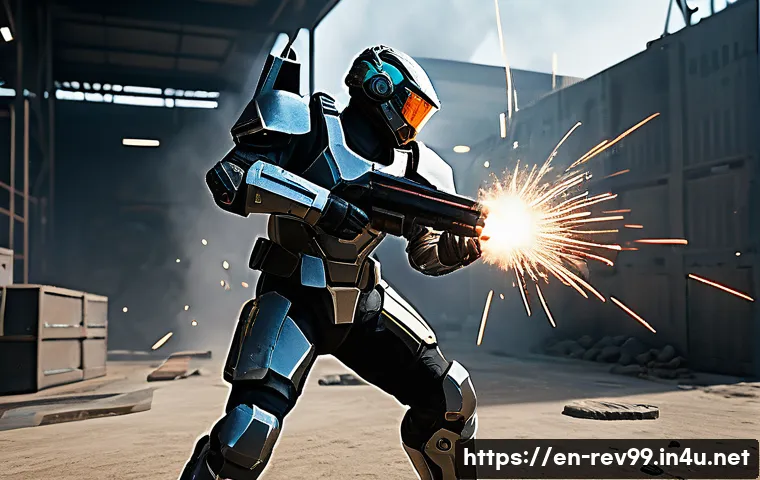
Choosing the Right Gear for Your Playstyle
One of the things I love about Reverse: 1999 is how customizable your gear is. You can tailor your loadout to fit whether you prefer aggressive rush tactics or a more defensive, patient style.
When I first started, I tried to copy popular builds but found that personal preference plays a huge role. Test different combinations of armor, weapons, and accessories until you find what feels right.
The right setup makes combat feel smoother and more natural.
Balancing Offensive and Defensive Stats
It’s tempting to focus purely on attack power, but neglecting defense can be a costly mistake. I learned that a balanced build, with a slight lean toward your preferred combat style, is usually the most effective.
For example, if you’re aggressive, adding a bit of armor or health regen can keep you alive longer during risky plays. If you’re defensive, boosting your damage output helps finish fights faster.
Finding the right balance is a continuous process, but it pays off big in longer battles.
Upgrading and Experimenting with Equipment
Upgrades in Reverse: 1999 aren’t just about boosting numbers—they can unlock new abilities or modify weapon behavior. I spent hours experimenting with different upgrade paths to see what fits best.
Sometimes a small upgrade that improves your weapon’s speed or reduces cooldowns makes more impact than a big damage increase. Don’t be afraid to try unconventional builds; some of my best victories came from surprising enemy expectations with unique setups.
Strategizing for Multiplayer Success
Communication and Team Coordination
In multiplayer matches, no amount of solo skill can replace solid team communication. I’ve played with random teammates who barely spoke, and matches quickly turned chaotic.
On the other hand, when we coordinated calls, shared enemy positions, and synchronized our abilities, victories felt almost effortless. Using voice chat or quick command shortcuts can elevate your team’s performance.
Even if you’re shy, a simple “group up” or “watch left” call helps keep everyone on the same page.
Role Specialization and Synergy
Understanding your role within the team and how it complements others is crucial. I’ve noticed teams that assign roles like tank, support, and damage dealer usually outperform those where everyone tries to do everything.
When you embrace your role and learn its strengths and weaknesses, you can focus on maximizing your contribution. Plus, coordinating with teammates who cover your blind spots creates a synergy that’s hard to beat.
Adapting to Opponent Strategies
Multiplayer opponents can be unpredictable, and flexibility is key. I’ve had matches where the enemy team focused heavily on snipers, forcing us to change our approach mid-game.
Being able to recognize their strategy and adjust—whether by switching roles, changing loadouts, or altering positioning—makes a huge difference. Keep an eye on enemy patterns and communicate any shifts to your team quickly.
Adaptability often wins games.
Key Combat Tips at a Glance
| Tip | Description | Why It Matters |
|---|---|---|
| Strafing Over Running | Move side-to-side instead of straight at enemies to avoid attacks. | Makes you a harder target to hit and improves survivability. |
| Watch Enemy Animations | Learn attack cues to time your dodges and counters effectively. | Increases your chances of landing successful counterattacks. |
| Save Special Abilities | Use abilities during critical moments for maximum impact. | Turns the tide of battle and prevents wasted cooldowns. |
| Balance Loadout | Mix offense and defense gear tailored to your style. | Ensures you can both deal damage and survive longer fights. |
| Communicate With Team | Use voice or quick commands to coordinate strategies. | Enhances teamwork and increases chances of victory. |
In Conclusion
Mastering combat in Reverse: 1999 is all about patience, strategy, and adapting to ever-changing situations. By focusing on movement, timing, and understanding your enemies, you can turn even tough battles in your favor. Remember, practice and thoughtful preparation make all the difference. Keep refining your skills, and victory will become a natural outcome.
Useful Information to Remember
1. Always prioritize positioning over rushing; controlling space can save your life in tight fights.
2. Study enemy behaviors closely—recognizing their attack patterns is key to effective counterattacks.
3. Save your special abilities for pivotal moments to maximize their impact and avoid wasted cooldowns.
4. Customize your gear to balance offense and defense, matching your unique playstyle for better performance.
5. Effective communication with your team significantly boosts your chances of success in multiplayer battles.
Key Takeaways for Success
Combat mastery comes down to a few essential principles: move smartly and use the environment to your advantage; time your attacks and defenses carefully to create openings; and never underestimate the power of teamwork and adaptability. Balancing your loadout and managing your resources ensures you remain effective throughout each fight. Ultimately, consistent practice and learning from every encounter will elevate your gameplay to new heights.
Frequently Asked Questions (FAQ) 📖
Q: What are the most important basic controls I should focus on when starting with Reverse: 1999?
A: When you’re new to Reverse: 1999, getting comfortable with the basic controls is crucial. Focus first on mastering movement and dodging since the combat is fast-paced and unforgiving.
Learning how to quickly switch between attack modes and use your abilities effectively can save your life in tight situations. I found that spending a bit of time just practicing these controls in a low-pressure setting helped me react faster during actual battles.
Q: How can I better understand enemy patterns to improve my chances of survival?
A: Observing enemy behavior is a game-changer. Each enemy type has specific attack patterns and timing that, once recognized, let you anticipate and counter their moves.
I recommend watching how they approach, when they strike, and how they react to your attacks. Patience here is key—don’t rush your moves. Over time, you’ll start to predict their actions almost instinctively, which really ramps up your survival odds.
Q: Are there any simple strategy tweaks that can make a big difference in gameplay?
A: Absolutely! Even small adjustments like timing your attacks to hit just after an enemy’s move or repositioning yourself slightly before striking can turn the tide.
I noticed that mixing up my approach instead of sticking to one pattern kept opponents off balance. Also, managing your resources wisely—like when to use special abilities versus saving them—can be the difference between victory and defeat.
Experimenting with these tactics helped me climb ranks much faster than I expected.