
As gaming communities continue to evolve rapidly, mastering classic titles like Reverse:1999 has become a thrilling challenge for newcomers and veterans alike.
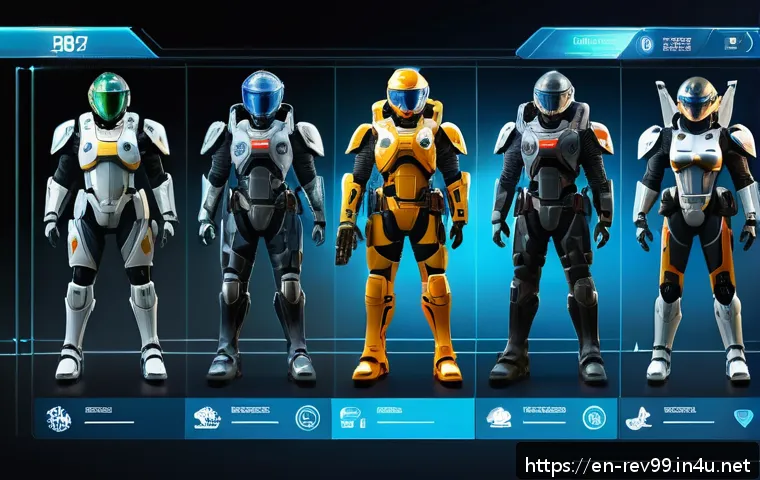
Whether you’re stepping into the game for the first time or aiming to sharpen your skills, understanding the essential beginner tips can dramatically speed up your progress.
In today’s fast-paced gaming world, having a solid foundation not only boosts your confidence but also positions you to dominate the competition. With fresh updates and a growing player base, now is the perfect moment to dive in and level up efficiently.
Stick around as we break down key strategies that will help you unlock your full potential in Reverse:1999. Let’s get you from beginner to pro in no time!
Understanding the Core Mechanics of Reverse:1999
How Time Reversal Shapes Your Strategy
One of the most fascinating aspects of Reverse:1999 is its unique time reversal mechanic, which forces players to think several steps ahead. Unlike traditional games where actions are linear, here, every move you make can be rewound and altered.
From my experience, mastering this feature early on is crucial because it changes how you approach both offense and defense. You’re not just reacting to the current state but anticipating how past decisions will affect future outcomes.
New players often overlook this, treating it like a standard turn-based game, but the ability to rewind and adapt your tactics on the fly truly sets this game apart.
Resource Management: Balancing Power and Patience
Managing your in-game resources wisely is a skill that separates casual players from true strategists. Reverse:1999 throws a variety of resources at you—energy, time shards, and special skill points—that are all limited but essential.
From my hands-on time playing, I realized that hoarding these resources doesn’t pay off. Instead, you want to spend them strategically to maintain momentum while keeping a reserve for critical moments.
It’s a delicate balance that gets easier once you familiarize yourself with what each resource can do in different phases of the game.
Decoding the Map and Zones
Navigating through Reverse:1999’s complex map is more than just moving from point A to B. The zones have distinct characteristics that affect how you play—for instance, some areas accelerate time reversal effects, while others restrict certain abilities.
I remember my early games where ignoring these nuances cost me several rounds. Taking time to study the map’s layout and how different zones interact with your abilities can give you a massive advantage, especially during competitive matches.
Character Roles and Skill Synergies Explained
Choosing the Right Character for Your Playstyle
Reverse:1999 offers a diverse cast of characters, each with unique skills that cater to different playstyles—ranging from aggressive rush tactics to defensive support roles.
When I first started, I gravitated towards high-damage characters because it felt straightforward, but I soon learned that understanding each character’s strengths and how they complement one another is key.
For example, pairing a control-focused character who manipulates time with a damage dealer can create devastating combos that are hard for opponents to counter.
Building Effective Skill Combos
Skill synergy is a game-changer in Reverse:1999. Skills don’t just stand alone; they interact in ways that can amplify their effects dramatically. In my experience, learning which skills to chain together can turn the tide of battle.
For instance, using a time-slowing ability before unleashing a high-impact attack not only increases damage but also gives you breathing room to plan your next move.
Experimenting with different combinations is a must, and watching replays of top players helped me grasp these nuances faster.
Adapting Your Strategy Based on Team Composition
In multiplayer modes, your success often hinges on how well your team’s skills mesh together. I’ve seen teams crumble because players picked characters without considering overall synergy.
A balanced team typically includes a mix of crowd control, damage, and support roles. Knowing when to switch tactics depending on your teammates’ choices and the opponents’ lineup can give you a strategic edge.
Communication and flexibility here can’t be overstated.
Mastering Combat Tactics and Movement
Timing Your Attacks and Counters
Combat in Reverse:1999 isn’t just about raw power; timing is everything. I found that waiting for the perfect moment to strike, especially when your opponent is vulnerable due to a time rewind or cooldown, yields far better results than constant aggression.
Learning to read enemy patterns and predicting their next moves became a game-changer for me. It’s a skill that comes with practice but pays off handsomely.
Utilizing Terrain and Positioning
The battlegrounds in Reverse:1999 are dynamic, and taking advantage of terrain can make or break a fight. Whether it’s hiding behind cover to avoid damage or positioning yourself to maximize the range of your abilities, spatial awareness is critical.
I started to approach each match like a chess game, moving deliberately and anticipating how the environment could either protect me or expose me to danger.
Managing Cooldowns Effectively
Every skill has a cooldown, and mismanaging this can leave you vulnerable. I’ve learned that patience is often rewarded—sometimes it’s better to hold back a powerful ability for a clutch moment rather than spamming it as soon as it’s available.
Tracking cooldowns not only for yourself but also for your opponents gives you a strategic window to capitalize on their weaknesses.
Leveraging Time Shards and Special Items for Maximum Impact
When and How to Use Time Shards
Time Shards are one of the most valuable resources in Reverse:1999, enabling you to trigger powerful time-based effects. From my gameplay, I noticed that using them impulsively rarely works out.
Instead, timing your Time Shard usage around key moments—like turning the tide of a close fight or escaping a dangerous situation—makes a huge difference.
Saving shards for clutch plays often separates winners from those who just barely miss out.
Unlocking and Upgrading Special Items
Special items provide unique bonuses that can complement your character’s skills or provide utility in tight spots. I’ve found that prioritizing upgrades for items that suit your playstyle enhances your overall effectiveness.

Some players prefer offensive boosts, while others invest in defensive or utility items. Experimentation and gradual upgrading helped me figure out which items made the biggest impact in my matches.
Combining Items and Skills for Unexpected Advantages
The interplay between items and skills in Reverse:1999 opens doors to creative strategies. For instance, pairing a speed-boost item with a time manipulation skill can allow you to outmaneuver enemies or secure objectives faster.
During one game, I used this combo to sneak behind enemy lines and disrupt their formation, which felt incredibly rewarding. These little synergies often catch opponents off guard and can be decisive in close contests.
Understanding the Competitive Meta and Ranking Up
Analyzing Current Meta Trends
Keeping an eye on the evolving meta is essential if you want to climb the ranks in Reverse:1999. Meta shifts are driven by balance patches, new character releases, and player innovation.
From tracking community discussions and watching high-level gameplay, I noticed trends such as favored character picks and popular strategies that dominate the ladder.
Staying flexible and adapting your approach based on these shifts keeps you competitive and prevents you from falling behind.
Effective Practice Routines for Skill Improvement
Consistent practice is the backbone of any player’s improvement. I developed a routine that includes warm-up matches focusing on specific mechanics, reviewing replays to identify mistakes, and trying out new strategies in less pressured settings.
This approach has helped me steadily improve my decision-making and reaction times. Breaking your practice into focused sessions rather than just playing endlessly also keeps burnout at bay.
Tips for Climbing the Ranking Ladder
Ranking up in Reverse:1999 requires more than just winning; it’s about smart play and learning from losses. From my climb through the ranks, I found that maintaining a positive mindset and reviewing each match critically—even defeats—helped me grow.
Avoiding tilt and focusing on incremental improvements rather than instant success keeps you motivated. Also, teaming up with players who communicate well and complement your style can accelerate your progress.
Reverse:1999 Essential Quick Reference Table
| Aspect | Key Tips | Common Pitfalls | Pro Advice |
|---|---|---|---|
| Time Reversal Mechanic | Plan moves ahead; use rewind strategically | Ignoring time effects; reacting only to present | Practice rewinding mid-match to explore alternate outcomes |
| Resource Management | Balance spending and saving; prioritize critical moments | Hoarding resources; reckless spending | Track resource cooldowns and anticipate needs |
| Character Selection | Match character to playstyle; learn roles | Picking characters without synergy | Experiment with combos and team compositions |
| Combat Tactics | Time attacks well; use terrain wisely | Spamming skills; poor positioning | Observe enemy patterns; use cooldown windows |
| Time Shards & Items | Save shards for clutch; upgrade fitting items | Wasting shards early; ignoring item upgrades | Combine items and skills for surprise plays |
| Competitive Meta | Follow trends; adapt strategies | Sticking to outdated tactics | Watch pro matches; stay flexible |
| Ranking Up | Practice focused; review games | Getting tilted; ignoring mistakes | Maintain positivity; team up with good players |
Community Resources and Learning from Others
Joining Online Forums and Discord Groups
One of the best ways to learn and stay updated on Reverse:1999 is by joining active online communities. I personally found Discord servers and Reddit forums invaluable for tips, patch notes, and casual discussion.
The advice from veteran players and real-time feedback helped me refine my strategies. These communities also provide opportunities to find teammates and organize practice sessions, which can greatly accelerate your learning curve.
Watching Streamers and Pro Matches
Watching skilled players live or in recorded matches is a goldmine for picking up advanced techniques and meta insights. I used to watch top players on Twitch or YouTube and pause to analyze their decisions, positioning, and resource usage.
This kind of active viewing offers lessons that you can’t get just from playing alone. It also exposes you to new characters and builds that you might not have considered.
Participating in Tournaments and Events
Engaging in community tournaments or in-game events is a fantastic way to test your skills under pressure. I remember the adrenaline rush during my first small tournament, which pushed me to focus and adapt quickly.
Even if you don’t win, the experience gained is priceless. Many events also offer rewards that can boost your progression, so keeping an eye out and joining regularly can pay off both in skill and in-game assets.
Conclusion
Reverse:1999 offers a rich and innovative gameplay experience that rewards strategic thinking and adaptability. Embracing its unique mechanics early can elevate your performance significantly. Whether you’re a newcomer or a seasoned player, continuous learning and practice are key to mastering this game’s depth and complexity.
Helpful Tips to Remember
1. Always plan your moves with the time reversal mechanic in mind; thinking ahead is crucial for success.
2. Manage your resources carefully—spend wisely and save for critical moments to maintain control.
3. Choose characters that fit your playstyle and focus on building strong skill synergies with your team.
4. Pay attention to terrain and positioning during combat to maximize your tactical advantage.
5. Stay updated on the competitive meta by watching top players and participating in community events.
Key Takeaways
Mastering Reverse:1999 requires a blend of forward-thinking strategy, efficient resource use, and teamwork. The game’s time manipulation mechanics demand careful planning and adaptability, while understanding character roles and skill combos can provide a decisive edge. Consistent practice, learning from others, and staying flexible with meta changes are essential for climbing the ranks and enjoying sustained success.
Frequently Asked Questions (FAQ) 📖
Q: uestions about Reverse:1999Q1: What are the most important beginner tips to get started in Reverse:1999?
A: When you first jump into Reverse:1999, focusing on mastering the core mechanics is key. Spend time understanding the game’s unique controls and how the environment affects gameplay.
Prioritize learning movement and timing because they form the backbone of your strategy. Additionally, don’t rush into battles; instead, observe enemy patterns and practice patience.
Building this solid foundation early on will help you avoid common pitfalls and make your progression smoother and more enjoyable.
Q: How can I keep up with updates and changes in Reverse:1999?
A: Staying updated is crucial since Reverse:1999 evolves quickly with new patches and content. The best way is to follow the official social media channels and community forums where developers share patch notes and gameplay tips.
Joining active Discord servers or Reddit communities also provides valuable real-time insights from fellow players. Personally, I found that participating in these groups not only keeps me informed but also introduces me to strategies that aren’t covered in official guides, which really gave me an edge.
Q: What’s the best way to improve my skills and climb the ranks efficiently?
A: Improving in Reverse:1999 requires a mix of consistent practice and smart learning. Focus on analyzing your gameplay by recording matches and identifying mistakes or missed opportunities.
Try to set small, achievable goals for each session, like improving reaction time or mastering a particular combo. Also, watching experienced players’ streams or tutorials can expose you to advanced tactics.
From my experience, combining hands-on practice with learning from others accelerates skill development much faster than just grinding alone.