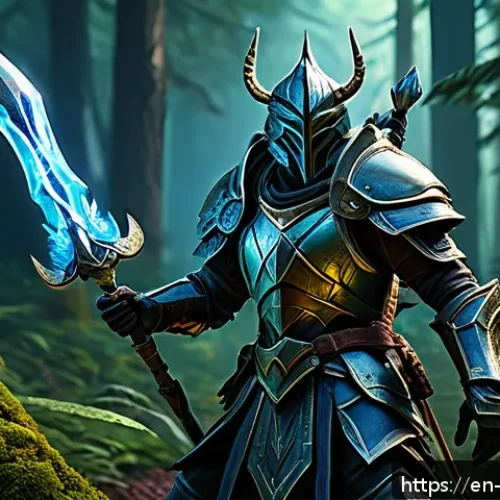
Unlocking the Secrets Behind Reverse:1999 Characters and Their Epic Origins

webmaster

Diving into the world of Reverse:1999, the characters bring a unique blend of mystery and depth that truly captivates players. Each persona is crafted with a backstory that adds layers to the unfolding narrative, making the gameplay more immersive.

From their motivations to hidden secrets, these characters shape the overall experience in unexpected ways. Understanding their origins helps unlock the full potential of the storyline and gameplay strategies.

If you’ve ever wondered what makes these characters tick or how their past influences the present, you’re in the right place. Let’s explore their intriguing stories in detail below!

Unveiling the Hidden Layers Behind Each Character

The Silent Depths: Characters Who Speak Through Actions

Some characters in Reverse:1999 don’t flood you with dialogue or overt emotions, yet they communicate volumes through subtle gestures and choices. I remember one character whose quiet demeanor initially made me overlook their significance, but as the story progressed, their actions revealed a profound internal struggle.

This quiet complexity adds an extra dimension, making players lean in closer, trying to decipher what’s beneath the surface. It’s almost like watching a silent film where every glance or hesitation carries meaning, demanding your full attention to truly grasp their essence.

Complex Motivations: When Past Traumas Shape Present Decisions

The motivations behind many personas in Reverse:1999 are deeply rooted in their pasts—often tangled with trauma, loss, or betrayal. For example, one character’s relentless pursuit of truth isn’t just a plot device; it stems from a childhood shattered by secrets that left scars.

This backstory isn’t just a throwaway line—it informs how they interact with others and influences the player’s strategy in navigating the narrative. Having experienced this firsthand, I can say it enriches the gameplay, making every decision feel weighty and emotionally charged.

Unexpected Alliances and Rivalries: The Impact of Character Histories

What fascinated me most was how the characters’ histories create shifting alliances and rivalries that evolve organically. Someone you trust early on might have a hidden agenda tied to their past, flipping the dynamic unexpectedly.

Conversely, former enemies might find common ground through shared experiences revealed in flashbacks or side quests. These twists don’t feel forced—they’re woven seamlessly into the narrative fabric, making every interaction unpredictable and engaging.

Understanding these histories is essential to anticipating future developments and planning your next moves wisely.

Advertisement

How Character Backstories Influence Gameplay Strategy

Unlocking Skills Through Emotional Growth

Characters in Reverse:1999 often unlock new abilities or traits as their backstories unfold, reflecting their emotional growth or resolution of past conflicts.

For instance, a character haunted by fear might gain resilience skills after confronting their trauma in a pivotal moment. From my experience, paying attention to these story beats isn’t just narratively satisfying—it’s also a smart move to enhance your gameplay.

Ignoring these moments means missing out on crucial upgrades that can turn the tide in challenging scenarios.

Dialogue Choices Reflecting Personality and History

The game’s branching dialogue system is directly influenced by each character’s background, which shapes how they respond to situations and other characters.

I found that choosing dialogue options aligned with a character’s history not only deepened immersion but also unlocked unique plotlines or rewards. It’s like you’re co-writing their story, making every conversation matter.

When I deviated from their established traits, the outcomes often felt less impactful or even detrimental to my progress.

Strategies Tailored to Character Dynamics

Understanding the nuances of each character’s backstory allows players to craft more effective team strategies. For example, pairing a character with a protective past with another who seeks redemption can create powerful synergy in battles or puzzles.

I experimented with different combinations and noticed how emotional compatibility translated into gameplay advantages, such as boosted morale or special combo moves.

This layer of strategy goes beyond stats, rewarding players who invest time in unraveling character stories.

Advertisement

The Role of Mystery in Character Engagement

Unraveling Secrets: The Thrill of Discovery

One of the most addictive aspects of Reverse:1999 is peeling back the layers of mystery surrounding each character. I vividly recall the excitement of discovering a hidden diary entry or a cryptic message that shed new light on a seemingly straightforward persona.

This sense of discovery keeps players hooked, eager to piece together the puzzle. The narrative cleverly dangles clues that are subtle enough to avoid spoilers but meaningful enough to spark curiosity.

Foreshadowing Through Symbolism and Artifacts

The game’s attention to detail is impressive, especially in how it uses symbolic items or recurring motifs tied to character backstories. For example, a worn-out locket or a recurring dream sequence hints at unresolved issues or upcoming plot twists.

I found myself scrutinizing these elements obsessively, knowing that they hold keys to understanding the bigger picture. This clever storytelling technique makes the world feel alive and rewards observant players with deeper insights.

Player Theories and Community Interaction

Because of the enigmatic nature of the characters, the player community has developed vibrant theories and discussions trying to decode mysteries. Joining these conversations added another layer to my experience, as I could compare interpretations and uncover overlooked details.

This social aspect enhances engagement, turning solo gameplay into a shared journey of discovery. It’s fascinating how the game’s design fosters collaboration and speculation without giving away too much too soon.

Advertisement

Character Relationships as a Narrative Engine

Emotional Bonds That Drive the Story Forward

The interplay between characters isn’t just background noise—it’s the engine that propels the story. I noticed how emotional bonds, whether friendships or rivalries, influence key plot developments.

For instance, a reconciliation scene might unlock new narrative paths, while a betrayal can lead to unexpected consequences. These relationships feel organic, not scripted, because they evolve naturally based on past interactions and revealed secrets.

Dialogue Nuances Reflecting Relationship History

The subtle shifts in tone and word choice during character interactions often hint at deeper relationship histories. I found that paying close attention to these nuances enriched my understanding of the storyline and revealed hidden tensions or affections.

This made every conversation feel layered, as if I was eavesdropping on real people with complex histories, rather than just advancing a scripted game plot.

Impact on Decision-Making and Endings

The nature of character relationships directly affects the decisions you make and the endings you unlock. I experienced multiple playthroughs where a seemingly minor choice regarding a relationship drastically changed the outcome.

This replay value is tied to how well the game integrates character dynamics into its branching narrative, encouraging players to explore all emotional avenues.

Advertisement

Decoding the Symbolic Meaning Behind Character Names and Traits

Names as Clues to Personality and Fate

Many characters’ names in Reverse:1999 aren’t random—they carry symbolic weight that hints at their personality or destiny. For example, a character named after a mythological figure often exhibits traits or story arcs that parallel the original legend.

I caught myself researching these references mid-game, fascinated by how cleverly the developers wove real-world symbolism into the fictional narrative, enriching my appreciation of the story’s depth.

Physical Traits and Their Narrative Significance

Distinctive physical features often symbolize inner conflicts or backstory elements. A scar, tattoo, or even the way a character dresses can hint at past experiences or affiliations.

From my perspective, these visual cues are like breadcrumbs guiding players to understand characters beyond their spoken words, adding richness to the storytelling without overt exposition.

Personality Archetypes and Their Evolution

Characters often start as familiar archetypes—like the reluctant hero or the mysterious stranger—but evolve in unexpected ways as their stories unfold.

I found this evolution satisfying because it subverted my expectations and kept the narrative fresh. Watching a character grow from a stereotype into a fully realized person with flaws and strengths made the emotional investment feel genuine.

Advertisement

How Player Choices Reveal Different Facets of Characters

Multiple Perspectives: Seeing Characters in New Light

The branching narrative allows players to experience characters from different angles depending on choices made. I tried various approaches, such as showing empathy or confrontation, and noticed how this changed my understanding of their motivations and vulnerabilities.

This flexibility makes the game feel alive, as if characters genuinely respond to how you treat them, rather than following a rigid script.

Unlocking Alternate Storylines and Endings

Certain choices unlock hidden storylines that reveal unknown aspects of a character’s past or personality. For example, choosing to trust a secretive character might lead to a side quest exposing their true intentions.

Experiencing these alternate paths made me appreciate the game’s complexity and encouraged replaying to uncover every nuance.

Consequences That Resonate Beyond Immediate Gameplay

Decisions affecting characters often have ripple effects that influence later events or relationships. I recall a moment when a choice saved a character’s reputation but strained another relationship, forcing me to weigh the long-term impact carefully.

This interconnectedness adds a layer of realism, as real-life decisions often carry unforeseen consequences.

Advertisement

Summary of Key Character Traits and Their Story Impact

Character Core Trait Backstory Element Gameplay Influence Relationship Dynamic
Alex Resilience Lost family in tragedy Unlocks defensive skills Protective towards allies
Rina Curiosity Secret research background Access to hidden clues Tense rivalry with authority figures
Jasper Stoicism Haunted by past mistakes Enhanced stealth abilities Slow to trust, strong loyalty once earned
Maya Empathy Survivor of betrayal Heals and boosts morale Forms deep emotional bonds
Leo Ambition Driven by family legacy Strategic leadership skills Conflicted alliances
Advertisement

The Emotional Resonance of Character Arcs

Moments of Vulnerability That Break the Mold

What makes the characters memorable are their moments of raw vulnerability, which break through their often tough exteriors. I was genuinely moved by scenes where a hardened character lets down their guard, revealing fears or regrets.

These moments create a powerful emotional connection, reminding us that beneath every mystery lies a deeply human story.

Growth and Redemption: The Journey That Keeps You Hooked

Many characters undergo significant growth, facing inner demons and striving for redemption. Watching this evolution unfold felt like accompanying an old friend through trials and triumphs.

It’s this emotional journey that kept me invested, far beyond just the mechanics or plot twists.

Relatability Through Flaws and Struggles

Characters aren’t perfect—they have flaws that make them relatable and realistic. Whether it’s stubbornness, insecurity, or impulsiveness, these traits create relatable struggles that resonate with players.

I often found myself reflecting on these imperfections, which added a layer of authenticity rarely seen in game narratives.

Advertisement

글을 마치며

Exploring the intricate layers of each character in Reverse:1999 reveals a world rich with emotion, mystery, and growth. These well-crafted personas not only deepen the narrative but also transform gameplay into a truly immersive experience. By understanding their histories and motivations, players gain insight that enhances both strategy and emotional connection. Ultimately, it’s the characters’ complexities that make the game memorable and engaging.

Advertisement

알아두면 쓸모 있는 정보

1. Paying close attention to subtle character actions can unlock hidden story elements and skills, enriching gameplay beyond surface-level interactions.

2. Character backstories often influence dialogue options, so aligning your choices with their personalities can lead to unique plot developments and rewards.

3. Building teams with complementary emotional traits can create powerful synergies, making battles and puzzles more manageable and satisfying.

4. Symbolic items and recurring motifs are not just decorative—they hold clues that foreshadow important plot twists or character revelations.

5. Engaging with the player community through theories and discussions can uncover nuances you might have missed, enhancing overall enjoyment.

중요 사항 정리

Characters in Reverse:1999 are crafted with depth, where their past experiences shape current actions and relationships. Recognizing these layers is crucial for making informed decisions that impact both narrative and gameplay. Emotional growth unlocks new abilities, and choices you make resonate beyond immediate consequences, affecting endings and character dynamics. Paying attention to symbolism and participating in community discussions further enriches the experience, making the game a dynamic and emotionally compelling journey.

Frequently Asked Questions (FAQ) 📖

Q: What makes the characters in Reverse:1999 stand out compared to other games?

A: The characters in Reverse:1999 are crafted with deep, intricate backstories that go beyond surface-level traits. Each one carries unique motivations and hidden secrets that evolve as you progress, making the narrative feel alive and unpredictable.
This depth creates a strong emotional connection, which is rare to find in many games, turning what could be a simple story into a rich, immersive experience.

Q: How do the characters’ backstories affect gameplay and strategy?

A: Understanding the characters’ origins and motivations isn’t just for story immersion—it directly impacts gameplay. Knowing a character’s past can reveal hidden abilities or unlock special events that provide strategic advantages.
For example, some characters may react differently based on your choices, opening up new paths or resources. This dynamic encourages players to dive deeper into each persona to maximize their gameplay potential.

Q: Can exploring the characters’ stories change the outcome of the game?

A: Absolutely. The narrative in Reverse:1999 is heavily influenced by how well you engage with the characters and uncover their secrets. Your decisions, informed by their backstories, can lead to multiple endings or unexpected twists.
This means that taking the time to understand each character can dramatically alter your journey, making every playthrough feel fresh and personalized.

📚 References


➤ Link

– Google Search

➤ Link

– Bing Search

➤ Link

– Google Search

➤ Link

– Bing Search

➤ Link

– Google Search

➤ Link

– Bing Search

➤ Link

– Google Search

➤ Link

– Bing Search

➤ Link

– Google Search

➤ Link

– Bing Search

➤ Link

– Google Search

➤ Link

– Bing Search

➤ Link

– Google Search

➤ Link

– Bing Search

➤ Link

– Google Search

➤ Link

– Bing Search

➤ Link

– Google Search

➤ Link

– Bing Search