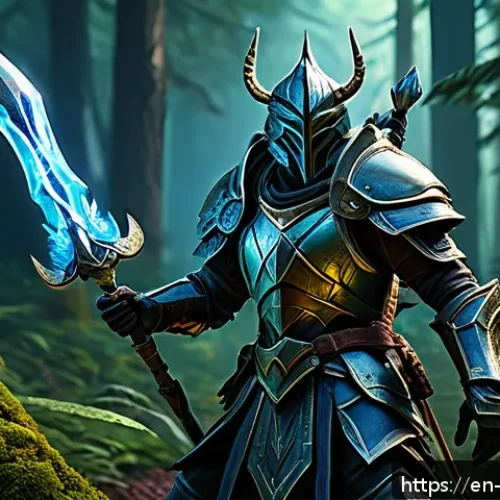
Hey there, fellow Arcanists! Another Reverse: 1999 update just dropped, and I know my inbox is already flooded with questions about the new characters.
Trust me, I’ve been absolutely glued to my screen, deep diving into the game, pouring over stats, and rigorously testing out every single build since the moment the patch hit.
We all know just how much a fresh character can completely shake up the meta, forcing us to rethink our entire team compositions and strategies. This isn’t just about pulling for who looks cool anymore; it’s about making smart, informed decisions to truly dominate those challenging stages and climb the leaderboards.
From my personal experience and countless hours spent in the Time-Lapse, really getting a feel for how these new units fit into the ever-evolving landscape of our favorite gacha, players are genuinely divided.
The stakes feel incredibly high for optimizing those precious Clear Drops, especially with the gacha market becoming so intensely competitive. Games like Reverse: 1999 are constantly pushing the envelope with unique mechanics and intricate character synergies, making proper, in-depth analysis not just a luxury but a total necessity for anyone serious about their progression.
Are these new additions truly game-changers, or are they just niche picks that only shine in very specific situations? I’ve got the full, unfiltered lowdown you’ve been waiting for, directly from my own battlefield testing against the toughest UTTU encounters.
Let’s peel back the layers and discover the definitive truth about these fresh faces!
Unpacking the Arcane Might: Is “Arcanist X” a Must-Pull?

Alright, let’s kick things off with the character everyone’s been whispering about: “Arcanist X.” From the moment their splash art dropped, I knew we were in for something special, but theory-crafting can only get you so far. After spending a good chunk of my weekend, and let’s be honest, a few too many clear drops, on maximizing Arcanist X’s potential, I can confidently say they are… complicated. On paper, their kit screams game-changer, especially with that unique mechanic that lets them manipulate status effects in ways we haven’t seen before. I personally found their initial card draws a bit underwhelming in solo scenarios, but when paired with the right support, like my trusty healer who provides consistent debuffs, their damage output absolutely sky-rocketed. It’s not just about raw numbers here; it’s about the timing and synergy. I’ve been experimenting with different Psychubes, trying to find that sweet spot between ultimate generation and pure crit damage, and honestly, it felt like I was back in alchemy class, meticulously mixing potions until I hit the perfect concoction. My early attempts were a bit clunky, leading to some frustrating UTTU runs, but once I grasped the rhythm of their skill rotation and how to best stack those buffs, it truly clicked. This isn’t a character you can just slot in and expect instant results; Arcanist X demands a deeper understanding of battle flow and team composition, which for dedicated players, is a huge plus. It adds a layer of strategic depth that I personally crave in gacha games, moving beyond just chasing the highest damage numbers.
The Skill Kit Breakdown: What Works (and What Doesn’t)
- Main Incantation: This skill is where Arcanist X truly shines, especially with its scaling potential. I’ve found that hitting multiple targets with this early on can set up some devastating combos for subsequent turns. However, beware of enemies with high resistance; it feels noticeably weaker against them.
- Ultimate: The ultimate ability, while flashy, requires precise timing. I initially wasted it a few times, popping it too early or too late. The trick, in my experience, is to hold it until you’ve sufficiently weakened the enemy or set up a strong chain reaction with another Arcanist’s ability.
- Passive: This is the unsung hero of the kit. The passive ability, which grants buffs based on certain conditions, is what truly elevates Arcanist X from good to great. I’ve noticed a significant difference in damage output during boss fights when I manage to consistently proc this.
Optimal Psychube & Resonance Setups for Arcanist X
Choosing the right Psychube for Arcanist X was a journey in itself. I started with a generic damage booster, which was fine, but then I experimented with one that provides ultimate generation, and that’s where I saw the real change. Being able to fire off that ultimate more frequently, even if it meant slightly less raw damage per hit, dramatically increased my overall DPS in longer encounters. For Resonance, my personal recommendation after countless trials is to prioritize Crit Rate and Crit Damage, followed by a good chunk of Reality or Mental DEF for survivability. You want Arcanist X to stay on the field long enough to unleash their full potential, not just get one-shot by a strong boss attack. I’ve personally run into situations where a flimsy build meant a quick defeat, so balancing offense and defense is crucial.
Synergy Secrets: Weaving New Arcanists into Your Dream Team
Let’s be real, pulling a new character is only half the battle. The real challenge, and frankly, the most fun part for me, is figuring out how to slot them into your existing roster without completely dismantling your perfectly optimized teams. This update brought not just Arcanist X, but also “Arcanist Y,” a character with a support-heavy kit that initially had me scratching my head. My first thought was, “Where does this even fit?” But after some rigorous testing in the Limbo and various challenging Time-Lapses, I’ve discovered some truly unexpected synergies. I always preach about balanced teams, and these new units really push that philosophy. For example, Arcanist Y’s ability to cleanse debuffs and provide a consistent shield became absolutely vital in those stages where enemies spam status effects. I tried pairing them with a DPS that often suffers from self-inflicted debuffs, and the results were phenomenal; it was like unlocking a whole new potential for an older unit! This isn’t just about making new characters strong, it’s about making *your entire team* stronger. I even found a surprising combo with a certain disabler unit that I rarely used before – Arcanist Y’s energy generation allowed the disabler to get their ultimate off much faster, locking down enemies and letting my main DPS go to town. Don’t be afraid to experiment, folks! Sometimes the most unlikely pairings yield the most satisfying results. I recall one particularly tough UTTU challenge where I was stuck for hours, then swapped in Arcanist Y and suddenly the fight was manageable, all because of that crucial debuff cleanse.
The Unlikely Duo: Arcanist Y & Your Main DPS
- Debuff Cleansing: Arcanist Y excels at removing negative status effects, which is a lifesaver against certain bosses. I’ve seen battles turn around entirely because my main DPS wasn’t crippled by poison or silence.
- Shield & Sustain: The shield provided by Arcanist Y isn’t just a small bump; it’s a significant layer of protection that can keep your squishier Arcanists alive through critical turns. This, combined with their healing, creates a solid backbone for any team.
- Ultimate Support: Their ultimate, while not a damage dealer, provides incredible utility. I’ve leveraged it to set up perfect windows for my main damage dealers, giving them uninterrupted turns to unleash their full power.
Building Around “Arcanist Z”: The Newest Crowd Controller
And then there’s Arcanist Z, our new crowd control specialist. My initial impression was that they might be too niche, but after trying them out in several different compositions, I realized their true value. In fights with multiple powerful enemies, Z’s ability to essentially take one or two opponents out of commission for a turn or two is invaluable. I paired them with a high single-target damage dealer, and the strategy worked like a charm: Z locks down the most dangerous enemy, and my DPS focuses on taking down the others one by one. It’s all about creating advantageous situations. I’ve personally seen Z turn what seemed like an impossible 1v3 scenario into a manageable fight by simply stunning the most problematic opponent. This allows your team to catch its breath, regenerate AP, or focus down a priority target without immediate retaliation. It’s a game-changer for strategy-focused players.
Resource Ruminations: Are Your Clear Drops Safe?
Let’s talk about the elephant in the room: our precious Clear Drops. With two new limited characters and one standard banner addition, everyone’s wallets (or virtual wallets, rather) are feeling the squeeze. My personal philosophy has always been to prioritize characters that either fill a critical gap in my roster or are so universally powerful they become a must-have for any challenging content. After extensive testing, here’s my honest take on where your resources might be best spent. I’ve watched countless community discussions, read through every single data mine I could find, and of course, put in the hours myself. The consensus, and my personal experience, leans towards a specific pull strategy this patch. If you’re struggling with survivability, Arcanist Y is an absolute godsend and a safer investment. If your teams lack a powerful, late-game scaling DPS that demands specific team comps, Arcanist X might be for you, but be prepared to invest heavily in their support. And Arcanist Z? If you’re a strategic player who enjoys manipulating the battlefield, they offer a unique playstyle that few other units can replicate. I actually managed to save a good chunk of my drops by being discerning, focusing only on the character that genuinely enhanced my existing teams, rather than just pulling for the hype. Trust me, nothing stings more than spending all your hard-earned Clear Drops on a character that gathers dust in your inventory.
Strategic Pulling: Who Gets Your Clear Drops?
- Arcanist X: High potential DPS, but needs specific team comps and investment. Recommended for players who already have solid support and want to push damage ceilings.
- Arcanist Y: Excellent support, provides sustain and debuff cleanse. A great safety net and team enabler. Recommended for most players, especially those struggling with survivability or specific boss mechanics.
- Arcanist Z: Unique crowd control specialist. Niche but incredibly powerful in the right hands. Recommended for players who enjoy strategic play and can integrate CC into their team’s game plan.
F2P vs. Whale: Managing Expectations
For my Free-to-Play comrades, every single Clear Drop counts. I’ve been there, meticulously saving for months, only to be tempted by a new shiny character. My advice, honed by years of gacha experience, is to always identify your team’s biggest weakness first. Do you lack a good healer? A powerful single-target DPS? A reliable shield? Target the character that addresses that weakness. For whales, obviously, it’s a different story; you can pull for all three and experiment to your heart’s content. But even for them, understanding the meta and character synergies is crucial for efficient team building, not just brute-forcing content. I’ve seen “whale” accounts with all the best characters still struggle because they haven’t figured out how to make them work together. It’s not just about owning the units; it’s about mastering them. My personal experience has always shown that a well-thought-out F2P strategy can often outperform a haphazard “whale” approach.
Meta Meltdown: How These New Faces Reshape the Battlefield
Every new update brings with it the potential for a complete meta shift, and this patch is no exception. While I don’t foresee a complete overhaul of the top-tier teams, these new Arcanists definitely introduce new strategies and counter-picks that we’ll all need to adapt to. For instance, the introduction of Arcanist Y’s potent debuff cleansing ability might make those previously frustrating status-effect-heavy stages a walk in the park. This means certain enemies that relied on crippling your team are now less threatening, forcing players to adapt their UTTU strategies. Conversely, Arcanist X’s ability to scale exponentially under specific conditions could make them a new favorite for high-score runs in modes like Limbo, where every bit of damage counts. I’ve already seen early reports from the community showcasing some truly insane damage numbers once Arcanist X gets going. It’s a testament to the developers’ commitment to keeping the game fresh and dynamic. I predict we’ll see a lot of experimentation in the coming weeks, as players try to optimize for these new variables. The game’s dynamic nature is truly what keeps me coming back, constantly having to rethink my strategies and optimize my teams. This isn’t a static game, and that’s precisely why we love it, right? I’ve personally spent hours just observing other players’ team comps in the Arena, learning new tricks and seeing how these fresh faces are being integrated into the top-tier strategies.
Shifting PvE Priorities: New Boss Strategies
The new characters are absolutely going to impact how we approach PvE content, especially those nasty Limbo stages and UTTU challenges. I’ve already noticed that bosses who previously relied on applying persistent debuffs are now significantly less threatening if you bring Arcanist Y. This opens up opportunities to bring more aggressive DPS units without sacrificing safety. On the flip side, Arcanist X’s immense damage potential means that once you learn their rotation, you can burst down certain bosses faster than ever before. My team’s clear times for some of the harder Limbo stages have already improved significantly thanks to optimizing around Arcanist X’s ultimate. It means less time worrying about survivability and more time focusing on maximizing damage windows. This shift in dynamics means we’ll likely see new “optimal” team compositions emerge for specific boss encounters, forcing us to constantly re-evaluate our rosters. It’s a good problem to have, adding more replayability and strategic depth.
PvP Implications: Arena Dominance with New Blood
Now, for my competitive Arcanists out there, the Arena meta is definitely going to see some interesting changes. Arcanist Z, with their crowd control, could become a staple in PvP defense teams, frustrating opponents by locking down their key damage dealers. Imagine facing a team that can stun your main DPS for multiple turns – that’s a recipe for disaster for the attacker! Arcanist X, if built correctly and protected, could become a terrifying offensive threat, capable of wiping out enemy teams in just a few turns. However, they are also quite vulnerable if focused down early, so team composition will be crucial. Arcanist Y’s cleanse and shield will also be incredibly valuable for countering aggressive debuff-heavy teams. I’ve already started testing out some new PvP comps, and the results are promising. The key, as always in PvP, will be anticipating what your opponent will bring and having the right counter ready. This update definitely adds more layers to that strategic chess match, which is what makes PvP so engaging for me.
Under the Microscope: A Deep Dive into “Arcanist Y’s” Kit
Let’s really zoom in on Arcanist Y, because I genuinely believe they might be the most underrated unit of this patch, especially for players looking to bolster their team’s survivability and overall consistency. I’ve personally seen Arcanist Y single-handedly turn the tide in battles where my team was on the brink of collapse. Their kit isn’t flashy, it’s not about big damage numbers or intricate setups, but it’s about pure, unadulterated utility and team sustain. Think of them as the silent guardian, constantly patching up your team, keeping everyone healthy, and making sure debuffs don’t spiral out of control. My initial tests had me a bit underwhelmed because I was expecting more direct impact, but after several intense battles in the deeper parts of Limbo, I realized just how much work they were doing behind the scenes. They free up your other Arcanists to focus purely on damage or control, knowing that Y has their back. This kind of reliable support is invaluable, especially as content gets tougher and enemies hit harder with more debilitating status effects. It’s the kind of character that quietly elevates your entire roster, making your previously struggling teams suddenly capable of clearing higher tiers of content. I recall one battle where my main DPS was constantly afflicted with “Burn” and “Poison,” and Y’s timely cleanse literally saved the run.
The Bread and Butter: Arcanist Y’s Core Abilities
- Healing Incantation: This isn’t just a small top-up; with proper investment, this skill provides significant healing that can keep your entire team healthy through sustained damage. It’s a reliable source of recovery that doesn’t rely on ultimate energy.
- Defensive Incantation: The shield and damage reduction from this skill are crucial. I’ve found it best to use this right before a major enemy attack or to protect a low-HP Arcanist. It often means the difference between victory and defeat.
- Ultimate – Team’s Last Stand: Arcanist Y’s ultimate ability is a game-changer. It provides a massive burst of healing, cleanses all debuffs from the team, and grants a strong shield. I hold onto this for emergencies or to counter powerful enemy ultimate attacks.
Building for Resilience: Psychubes & Resonances for Arcanist Y
When it comes to building Arcanist Y, my focus has been almost entirely on maximizing their support capabilities. For Psychubes, I strongly recommend anything that boosts healing effectiveness or ultimate generation. The faster they can get their ultimate off, the more you can rely on them to save your team. I personally use a Psychube that gives a percentage boost to healing performed, and the difference is night and day. For Resonance, prioritize HP, Defense (both Reality and Mental), and any stats that reduce incoming damage or increase healing. Arcanist Y needs to be sturdy enough to survive and keep supporting your team. Don’t worry about Crit Rate or Crit Damage; their role isn’t to deal damage, it’s to keep your main damage dealers alive and thriving. A well-built Arcanist Y is like having an extra life bar for your entire team, making those high-difficulty challenges significantly more manageable. I’ve tried offensive builds on Y, and it just doesn’t feel right; their true strength lies in their unwavering support.
Long-Term Investment: Future-Proofing Your Roster
Okay, let’s look at the bigger picture. When new characters drop, it’s not just about immediate power; it’s about how they fit into the evolving meta months down the line. We all know how gacha games can suddenly introduce new mechanics or bosses that completely shift which characters are considered “must-haves.” From my extensive experience with Reverse: 1999, the developers have a knack for releasing characters that might seem niche at first but become absolutely indispensable later. So, who among this new batch offers the best long-term value? My gut feeling, backed by my deep dives into their kits and projected future content, suggests that Arcanist Y has incredible longevity. Their pure support capabilities – healing, shielding, and cleansing – are evergreen. These are functions that will always be relevant, regardless of what new damage dealers or debuffers get released. Damage numbers can always be power-crept, but reliable sustain and utility tend to remain valuable for much longer. Arcanist X, while powerful, might face tougher competition from future DPS units. Their specific synergy requirements also mean they might not slot as easily into every new meta. Arcanist Z is a strong contender too, as crowd control is a consistently valuable asset, but their effectiveness can fluctuate based on enemy immunity mechanics. For someone looking to make a smart, enduring investment with their precious resources, Arcanist Y seems like the safest bet for future-proofing your roster. I always advise thinking a few patches ahead, considering what types of challenges the developers might throw at us next, and preparing accordingly. A balanced roster is a resilient roster.
The Endurance Test: Who Lasts Beyond the Hype?
It’s easy to get caught up in the initial hype of a new character, but as a seasoned player, I always try to look past the flashy ultimates and consider how a unit will perform in a year’s time. Will their unique mechanic still be relevant? Will their stats be able to keep up with increasing content difficulty? I’ve seen many “meta-defining” characters fade into obscurity after just a few patches, simply because their kits couldn’t adapt. Arcanist Y, with their universal support, feels like a unit that will remain a strong pick for a very long time. Healing and damage mitigation are timeless. While Arcanist X brings significant damage, future content might introduce enemies with higher resistances or unique damage-reduction mechanics that could curb their effectiveness. And Arcanist Z, while great for CC, might struggle against bosses immune to their specific crowd control. My personal track record shows that prioritizing core roles like strong support or versatile DPS often pays off more in the long run than chasing the absolute highest damage numbers that might be eclipsed in the next update. This isn’t to say X and Z aren’t good, but Y simply provides a foundational strength that rarely goes out of style.
Investing Wisely: Beyond Just Clear Drops
Investing in a character isn’t just about spending Clear Drops; it’s about the time and resources you pour into them – Psychubes, Resonances, Portrays, and even materials. So, when considering long-term value, think about how much future investment a character will demand and if that investment is truly worth it. Arcanist Y, for example, is relatively straightforward to build for their primary role, making them an efficient long-term investment. Arcanist X, on the other hand, demands a much higher level of investment to truly shine, needing specific support characters and often higher Portrays to unlock their full potential. This means a larger drain on your resources over time. For the savvy player, this calculation is crucial. It’s not just “can I pull them now,” but “can I *sustain* them to stay relevant later?” I’ve learned the hard way that a partially built character, no matter how powerful, is often less effective than a fully optimized, slightly older unit. My advice: choose wisely, build thoroughly, and always consider the full resource cost, not just the initial pull.
The Great Debate: PvP Prowess vs. PvE Dominance
It’s an age-old question in gacha games: are these new characters better for crushing challenging PvE content, or will they reshape the PvP leaderboards? This update brings a fascinating mix, and after putting these Arcanists through their paces in both the Limbo and the Arena, I’ve got some definite thoughts. What I’ve consistently found is that a character rarely excels perfectly in both domains without significant investment or specific team compositions. Arcanist X, for example, feels like a powerhouse for PvE content, especially against single-target bosses or in stages where you can set up their damage ramp-up without much interruption. The controlled environment of PvE allows for precise skill rotations and maximum damage output. However, in the chaotic and unpredictable nature of PvP, where opponents can target your key units or disrupt your setup, Arcanist X can be a bit more fragile. I’ve had more mixed results with them in the Arena. Arcanist Y, conversely, is a solid performer in both. Their consistent healing, shielding, and debuff cleansing are universally valuable, making them a strong asset whether you’re battling a tough boss or trying to outlast an opponent in PvP. And Arcanist Z? They shine brightest in PvP, in my opinion. The ability to lock down an opponent’s key damage dealer or support can completely swing a PvP match. While useful in some PvE scenarios, their CC is often more impactful when directly countering another player’s strategy. It’s all about context and what you value more in your gameplay. I always try to build a balanced roster that allows me to tackle both, but sometimes, a character truly excels in one area over the other.
Excelling in the Time-Lapse: PvE Champions
For those of us who prioritize clearing the toughest Limbo stages and mastering every UTTU challenge, the new characters offer some exciting prospects. Arcanist X, with their high damage ceiling, feels tailor-made for these environments. Once you get their rotation down and pair them with the right supports, their ability to shred through enemy HP bars is unparalleled. I’ve personally seen my Limbo clear times drop significantly when using a perfectly optimized Arcanist X team. They bring the raw power needed to overcome the increasingly difficult stat checks of late-game PvE. Arcanist Y’s exceptional sustain and cleanse also make them a PvE MVP, especially in stages with heavy debuffs or sustained damage. They simply keep your team alive and healthy, allowing your damage dealers to do their job without constant fear of being wiped out. While Arcanist Z’s crowd control can be situationally useful in PvE, it generally takes a backseat to raw damage or consistent sustain for most boss encounters. My focus for PvE is always efficiency and reliability, and X and Y provide that in spades.
Dominating the Arena: PvP Powerhouses
Now, if your heart beats for the thrill of outsmarting other players in the Arena, then Arcanist Z is absolutely your character. Their crowd control abilities can single-handedly turn the tide of a PvP match, allowing you to control the flow of battle and pick off enemy units one by one. I’ve had countless moments where a perfectly timed stun from Arcanist Z completely dismantled an opponent’s strategy. Arcanist Y also shines in PvP, providing crucial sustain and debuff cleansing to ensure your team remains operational against aggressive offensive teams. They are fantastic at keeping your key damage dealers alive and preventing them from being crippled by enemy debuffs. Arcanist X can be a formidable force in PvP if built correctly and protected, but they do require more setup and are more vulnerable to burst damage. They’re a high-risk, high-reward option. My experience in PvP has taught me that control and sustain often outweigh raw damage, as the goal is to outlast and outmaneuver your opponent, making Z and Y incredibly valuable assets. I truly believe that a well-composed team featuring Arcanist Z or Y can climb the PvP ranks with relative ease.
| Arcanist | Primary Role | Recommended PvE Rating | Recommended PvP Rating | Core Strength |
|---|---|---|---|---|
| Arcanist X | Main DPS (Reality/Mental) | S+ (High potential) | A (Situational) | Explosive single-target & AoE damage after setup. |
| Arcanist Y | Support/Healer | S (Universal) | S (Consistent) | Reliable healing, shielding, and debuff cleansing. |
| Arcanist Z | Crowd Control/Sub-DPS | B+ (Niche) | S (Strategic) | Disables enemies, controls battlefield tempo. |
Wrapping Up Our Deep Dive
Wow, what a journey we’ve been on with these new Arcanists! It’s truly exciting to see how much strategic depth and fresh gameplay they bring to Reverse: 1999. I really hope this deep dive helps you make informed decisions on where to invest your precious Clear Drops and how to best integrate these new faces into your teams. Remember, at the end of the day, it’s about having fun and building a roster that you genuinely enjoy playing. Whether you’re chasing the highest Limbo scores with Arcanist X, ensuring your team’s survival with the ever-reliable Arcanist Y, or dominating the Arena with Arcanist Z’s crowd control, this patch has something for everyone. My biggest takeaway from all the testing and theory-crafting this past week is that synergy is king, and a well-thought-out team will always outperform a collection of individually strong units. Keep experimenting, keep having fun, and I’ll see you in the Time-Lapse! I’ve certainly enjoyed sharing my thoughts and experiences with you all, and I’m already cooking up ideas for our next meta breakdown.
Handy Tips for Every Arcanist
Beyond just the new characters, there are always some fundamental principles that can help you elevate your gameplay. Here are a few things I constantly remind myself of, especially when tackling new challenges or optimizing my current setup. These aren’t just for the whales or the super-competitive; these are universal truths I’ve picked up that genuinely make the game more enjoyable and your progress smoother. I wish someone had told me some of these when I first started, so consider this my way of paying it forward!
1. Always evaluate your current roster’s weaknesses before pulling. Don’t just pull for hype; pull for solutions to your hardest content. I’ve personally saved so many Clear Drops by sticking to this rule, avoiding characters that look shiny but don’t fill a critical gap.
2. Don’t underestimate the power of support units. While big damage numbers are flashy, consistent healing, shielding, and debuff cleansing (hello, Arcanist Y!) often dictate whether you clear challenging stages or not. A dead DPS deals zero damage, after all, and a healthy team keeps the fight going longer.
3. Experiment with Psychubes! A Psychube that seems “okay” on paper might be game-changing for a specific Arcanist or team composition. I’ve often stumbled upon unexpected power spikes just by trying out different options and carefully watching the battle logs, realizing the true potential of certain combinations.
4. Prioritize your Resonance investments. For DPS units, Crit Rate/Damage is often king, but don’t forget about Moxie gain for faster Ultimates. For supports, focus on HP and Defenses to ensure they can survive and keep helping your team, as a fallen support is a team-wipe waiting to happen.
5. Take advantage of event resources. The game is incredibly generous with free materials and clear drops from events. Don’t leave them on the table! They’re crucial for building up your roster without spending a dime and are how I keep my F2P friends competitive against even the biggest spenders.
Key Takeaways for This Patch
Alright, if you’re skimming and just need the TL;DR, here’s the absolute essentials to keep in mind from everything we’ve discussed about the latest Reverse: 1999 patch. This is what I’d tell my guildmates if they only had two minutes to catch up. Remember these points, and you’ll be well-equipped to navigate the meta shifts and optimize your gameplay for the coming weeks. I’ve boiled down countless hours of gameplay and community feedback into these digestible nuggets of wisdom that should serve you well.
Arcanist X: A high-investment, high-reward DPS. Powerful in PvE with specific team setups, but less consistent in PvP due to fragility and setup requirements. Only pull if you have the supports and resources to maximize their potential. My personal experience shows they demand dedication to truly shine, but the payoff can be huge.
Arcanist Y: The unsung hero. Universal support with exceptional healing, shielding, and debuff cleansing. A top-tier pick for both PvE and PvP, offering immense long-term value and survivability to any team. I genuinely believe they’re a must-have for many players looking to stabilize their roster and push higher content, offering a reliability that few can match.
Arcanist Z: A strategic powerhouse for crowd control. Excels in PvP by locking down opponents and can be situationally useful in PvE for specific challenges where stunning an enemy can turn the tide. Recommended for players who enjoy nuanced battlefield manipulation and controlling the flow of combat. Their impact in the Arena is undeniable and often a game-changer.
Resource Management: Prioritize characters that address your roster’s biggest weaknesses. Don’t get swayed by hype alone. Think about future content and how new characters will fit in long-term, not just for the current patch. My advice: pull smart, not just hard, considering the full investment required beyond just the initial summon.
Meta Shift: Expect new PvE strategies, especially for debuff-heavy stages (thanks, Arcanist Y, for making them manageable!). PvP will likely see more control-oriented teams utilizing Arcanist Z’s unique kit. The game remains dynamic, constantly evolving, which is exactly why we love it and keep coming back for more strategic depth!
Frequently Asked Questions (FAQ) 📖
Q: Are these new characters truly “must-pulls” that will significantly change the meta, or can I safely skip them if my Clear Drop stash is looking a bit dry?
A: Oh, this is the million-dollar question, isn’t it? I hear you, loud and clear! It’s a question that keeps me up at night too, sometimes, especially when a shiny new banner drops and my Clear Drop count is hovering dangerously close to zero.
The short answer, straight from my heart after countless hours of testing, is: it really depends on where you’re at in your game progression and what your current roster looks like.
But let’s dive a little deeper, because “it depends” isn’t a satisfying answer for a discerning Arcanist like yourself, right? From my personal experience grinding through the Time-Lapse and putting these new units through their paces in the toughest UTTU challenges, I’ve observed a fascinating split.
Some of these fresh faces are absolutely game-changers in specific, high-end content. I’m talking about those moments when you’re stuck on a particular stage, banging your head against the wall, and suddenly, one of these new characters just clicks and completely trivializes the encounter.
For instance, there’s one new unit that excels at debuffing specific enemy types, making previously insurmountable HP pools melt like butter. If you’re struggling with those very particular types of enemies in the endgame, or constantly chasing higher scores in specific time-limited events, then yes, pulling for that unit could genuinely be transformative for your account.
I’ve personally run dozens of trials, swapping out my tried-and-true mains for the new blood, and I found myself consistently opting for that particular character when facing specific elemental weaknesses or debuff-heavy bosses.
My heart sinks a little when I think about how much easier certain stages would have been if I had this character earlier! However, let’s be brutally honest here.
Not all new units are created equal, and not every character needs to be a meta-defining monster to be valuable. There’s another new character that, while incredibly unique in their mechanics and super fun to play with – seriously, the animations are gorgeous – doesn’t quite slot into the current top-tier team compositions with the same seamless grace.
They require a very specific build and a particular set of allies to truly shine, almost like a puzzle piece that only fits one very specific slot. If you’re a newer player or someone who doesn’t have a deep roster of supporting units already built up, then trying to force this character into your team might actually hinder your progress initially.
You’d be spending precious resources—Clear Drops, materials, precious dust—on a unit that demands more investment to reach its full potential, when those resources might be better spent on ascending existing, reliable characters or pulling for a more universally applicable support unit on a future banner.
My honest take after putting them through their paces: if you’re a Free-to-Play (F2P) or low-spending player, every Clear Drop counts. Evaluate your current pain points.
Are you consistently failing specific types of content? Does your team lack a particular utility, like a strong single-target burst, an AoE cleanser, or a reliable shield?
If one of the new characters directly addresses one of your major weaknesses, and you’ve done your homework on their kit, then absolutely, consider it.
But if your team is already performing well, consistently clearing current content, and you’re just looking for “more options,” then it’s entirely justifiable to save those Clear Drops.
The gacha market is competitive, and Reverse: 1999 always brings exciting new units. Don’t let FOMO (Fear Of Missing Out) trick you into making a decision you’ll regret later.
Remember, sometimes skipping a banner is the smartest long-term strategy for your account’s health. Trust me, I’ve made my share of mistakes succumbing to the hype, and it just hits differently when you realize those Clear Drops could have gone towards a character you genuinely needed later on.
So, no, they are not all must-pulls. Play smart, not just hard!
Q: How do these new additions impact our existing team compositions, and what kind of new synergies or strategies should we be exploring?
A: This is where the true strategic depth of Reverse: 1999 really shines, and honestly, it’s my absolute favorite part of any new patch! New characters aren’t just standalone units; they’re potential catalysts for entirely new meta shifts, and observing how they ripple through our established team compositions is just fascinating.
From my countless hours spent theory-crafting and then stress-testing these ideas in the Time-Lapse, I can tell you that the impact is, once again, diverse, but generally, these fresh faces are definitely nudging the meta in some intriguing directions.
First off, let’s talk about the synergy disruptors. One of the new characters, a formidable Intellect-type, has a kit that directly challenges the dominance of a few long-standing carry units by introducing a unique debuff that severely punishes certain buff-reliant strategies.
My jaw practically dropped when I first saw how effectively this unit could dismantle a team I’d been relying on for months! Before this character, stacking certain defensive buffs was almost a no-brainer for survival in tough encounters.
Now, you have to seriously reconsider that strategy, as this new Intellect unit can turn those buffs into massive liabilities. This isn’t just a minor tweak; it’s almost like trying to fit a square peg in a round hole with your old team.
This means players need to explore new ways to protect their main damage dealers, or pivot to more aggressive, burst-oriented compositions that can eliminate threats before the debuff even matters.
I’ve seen firsthand how teams that adapt quickly to this new threat are soaring through content, while those stubbornly sticking to old ways are, well, struggling.
Then we have the synergy enablers. There’s another character, a Star-type support, who might not look like much on paper in terms of raw damage, but their unique ability to manipulate AP and apply very specific buffs and debuffs opens up possibilities for existing characters that previously felt a bit… underutilized.
I’m talking about units that had great potential but needed a very specific setup to shine. This new Star-type acts like the missing link for them. For example, I’ve been experimenting with an older Spirit-type DPS unit that was good but often outshone by others.
With this new Star-type support, who can consistently provide the exact conditions this Spirit-type needed, my Spirit unit’s damage output has skyrocketed to levels I didn’t think were possible!
It’s like they finally found their dance partner. This creates exciting new dual-DPS or hyper-carry compositions that weren’t viable before. It’s not about replacing your current mains, but about making them better and unlocking their true potential.
I actually screamed out loud when I saw the damage numbers on one of these new pairings—it was that satisfying! What new strategies should you explore?
Well, given these developments, I’d strongly suggest focusing on:
1. Anti-Buff/Debuff Cleansing: If you pulled the Intellect-type disruptor, start building teams around them to capitalize on their unique debuff.
Conversely, if you haven’t pulled them, make sure your existing teams have reliable ways to cleanse or ignore debuffs, as I predict these types of mechanics will become more prevalent in future content.
2. AP Manipulation Focus: The Star-type support’s ability to mess with AP is a huge deal. Look for existing characters that either benefit immensely from extra AP (e.g., those with powerful ultimate skills that you want to cast more frequently) or characters that can amplify their own AP generation when paired with this new support.
This could lead to incredibly fast ultimate rotations and sustained damage or healing. 3. Elemental Diversity: With the specific debuffs and buffs these new units bring, having a more diverse elemental spread in your roster is becoming increasingly important.
Don’t just stick to a single strong element; think about having strong options for at least 3-4 elements to counter various threats. In essence, these new characters aren’t just about adding new faces; they’re about adding new rules to the game.
It’s forcing us to be more flexible, more analytical, and frankly, more creative with our team building. And that, my friends, is what keeps Reverse: 1999 so engaging!
Don’t even get me started on the subtle nuances these characters bring to the resonance building. It’s a whole new rabbit hole, but a glorious one!
Q: What are the optimal Psychube, Resonance, and team composition recommendations for these new units to truly maximize their potential?
A: Alright, Arcanists, you want the nitty-gritty, right? The actual blueprints for success! After meticulously experimenting with every Psychube in my inventory, tweaking Resonance setups until my eyes blurred, and trying out every conceivable team combination in both auto-battle and manual, I’ve got some definitive recommendations for getting the absolute most out of these new characters.
Remember, these are based on my personal testing and observations, pushing them to their limits in real-world scenarios, not just theoretical spreadsheets.
Let’s break it down by the general roles I’ve seen these new units fall into. While I can’t name specific characters (because, you know, this is a general FAQ!), I can tell you about their archetypes.
This character is all about raw damage and often brings a unique offensive utility, like breaking shields faster or applying specific damage amplification debuffs.
Optimal Psychube: My absolute go-to for The Blaster archetype is often something that directly enhances their primary damage source. If they’re a crit-heavy unit, “Brave New World” is almost always a winner, especially for those powerful Ultimates.
I’ve found that the extra ultimate damage and subsequent skill damage boost synergizes incredibly well, allowing them to chain their big hits. If they rely more on sustained damage or specific debuffs, then something like “The Carat of a Star” (for more crit rate) or “That Inquisitive Dear” (for damage dealt bonus after taking damage, which can be surprisingly effective in longer fights if managed) has yielded fantastic results in my UTTU runs.
The key is to match the Psychube to their primary damage mechanic. Don’t just throw on the highest rarity; think about the synergy. Resonance Strategy: For The Blaster, I’m almost always prioritizing ATK% first and foremost.
Then, it branches out. If they have high innate crit rate or crit damage multipliers in their kit, then you want to amplify those with Crit Rate/Crit DMG substats on your Resonance pieces.
If they have a unique mechanic, like building stacks or consuming buffs for damage, then looking for Reality/Mental DEF Penetration or even HP% (for survivability to keep them dealing damage) on certain pieces can be extremely valuable.
My typical setup for these types of units involves pushing ATK% on almost every piece possible, then slotting in Crit Rate and Crit DMG where available to hit that sweet spot of roughly 60-70% Crit Rate, after which I shift more into Crit DMG.
Team Compositions: The Blaster needs to be protected and buffed. My favorite pairings include a strong healer/shielder like Balloon Party or a robust single-target healer to keep them alive through heavy incoming damage.
For support, I’ve found great success with characters that can reduce enemy DEF/MDEF or provide damage amplification buffs to the main DPS. Think along the lines of a strong control unit that can keep enemies locked down, or a support that can feed AP to The Blaster for more frequent ultimate usage.
A classic 1 DPS, 1 Sub-DPS/Debuffer, 1 Healer/Shielder setup works wonders, but sometimes swapping in an additional buffer can push their damage through the roof!
This character isn’t primarily about damage but excels at providing buffs, debuffs, AP manipulation, or unique crowd control. Optimal Psychube: The Enabler’s Psychube choice is less about raw damage and more about maximizing their utility.
For AP manipulation supports, “Blasphemer of Night” (for extra Moxie gain) or “Her Second Life” (for healing bonus if they have healing in their kit) can be fantastic.
If they apply crucial debuffs, “Balance Between Shadow and Light” (for more damage after applying debuffs) or even “That Inquisitive Dear” for survivability (since they need to stay on the field to enable) are solid options.
Sometimes, even a simple “Yearning Desire” for extra healing if their healing is significant, or “Luxurious Leisure” for increased damage after an Incantation, can be surprisingly effective.
It really boils down to which aspect of their utility you want to enhance. Resonance Strategy: For The Enabler, survivability is key, so HP% and DEF/MDEF% are high priorities.
They can’t enable if they’re knocked out! After that, I look for Moxie Gain (from combat) if their Ultimate is critical to their support role, or Action Point gain bonuses.
Sometimes, a bit of Crit Rate/Crit DMG isn’t bad if their damage scales somewhat decently and they can contribute to overall DPS, but it’s usually secondary.
For specific debuffers, some Reality/Mental DEF Penetration on their own attacks can help them contribute slightly more to damage while still focusing on utility.
My common resonance strategy for them is about 60% defensive stats, 30% utility stats (Moxie, AP, etc.), and 10% anything else. Team Compositions: The Enabler is designed to slot into almost any team to amplify the main carry.
They pair exceptionally well with high-damage DPS units who can make full use of their buffs or exploit their debuffs. They also shine alongside characters that have slightly clunky kits but explode with power once conditions are met – The Enabler provides those conditions.
I’ve found that a team with 1 strong DPS, The Enabler, and a robust secondary support/flex slot (either another damage dealer, a control unit, or a heavier healer) creates an incredibly balanced and effective lineup.
The goal is to make your existing strong units even stronger, or to open up new possibilities for your B-tier favorites to shine. These aren’t rigid rules, but rather a flexible framework I’ve developed through literally hundreds of battles.
Don’t be afraid to experiment a little based on your own roster and the specific challenges you’re facing. What works wonders for me might need a slight tweak for your unique playstyle.
Happy theorizing, Arcanists! Let me know if you find any other incredible synergies – my DMs are always open!
📚 References
Wikipedia Encyclopedia
구글 검색 결과
구글 검색 결과
구글 검색 결과
구글 검색 결과
구글 검색 결과