Diving into Reverse: 1999 can feel a bit overwhelming at first, especially if you’re new to the game. From mastering the controls to understanding the game’s unique mechanics, there’s a lot to take in before you can truly enjoy the experience.
But don’t worry—getting the hang of it is easier than it seems once you know the right strategies. I’ve spent some time exploring the game myself, and I can confidently say that a few simple tips can make a huge difference.
Ready to level up your skills and have more fun? Let’s break it down and get you started with everything you need to know!
Getting Comfortable with the Controls and Movement
Understanding the Basic Controls
One of the first hurdles you’ll face in Reverse: 1999 is simply getting a feel for the controls. Unlike many other games, the movement here can feel a bit unconventional at first.
You’ll want to spend some time just walking around, jumping, and experimenting with your camera angles. Personally, I found that toggling between first-person and third-person views helped me get a better grasp on spatial awareness.
It’s not just about moving forward or backward; mastering strafing and quick turns can save your life during intense moments. Don’t rush it—getting this foundation right makes everything else much smoother.
Mastering Movement Techniques
Once you’re comfortable with basic controls, it’s time to explore more advanced movement techniques. Sliding, crouching, and sprinting all have their place and can be used strategically to dodge enemy attacks or move quietly.
I noticed that combining crouch with slow movement often helped me avoid detection in stealthy parts of the game. Also, timing your jumps onto ledges or through tight spaces can sometimes be tricky, but practice makes perfect.
If you mess up, just reset and try again; it’s all part of the learning curve.
Configuring Your Control Settings
Don’t underestimate the power of customizing your control settings. I tweaked my sensitivity and key bindings to better suit my playstyle, which made a significant difference.
For example, increasing mouse sensitivity allowed me to turn faster during combat, while remapping some keys made accessing inventory quicker. Spend some time in the settings menu—small changes here can improve your overall gameplay experience dramatically.
Decoding Game Mechanics and Objectives
Grasping the Core Gameplay Loop
Reverse: 1999 isn’t just about running around and shooting; it has a unique gameplay loop that blends exploration, resource management, and tactical combat.
At first, it might feel like you’re juggling too many things at once. From my experience, focusing on one objective at a time—whether it’s scavenging for supplies or completing mission goals—helped me avoid feeling overwhelmed.
The game rewards patience and planning, so don’t rush your decisions.
Leveraging the Environment
The environment plays a huge role in your success. Buildings, shadows, and even weather conditions can be used to your advantage. I found hiding in darker corners or using elevated positions gave me the upper hand against enemies.
Learning the map layout gradually made it easier to anticipate enemy movements and set up ambushes. Keep an eye out for interactive objects too—sometimes they can open new paths or provide critical cover.
Understanding Enemy Behavior
Enemies in Reverse: 1999 behave differently depending on the situation, which can be confusing at first. Some are aggressive and charge directly at you, while others prefer to flank or keep their distance.
I learned to observe their patterns carefully before engaging. For example, if an enemy always tries to circle around, positioning yourself near a wall or corner can limit their options.
Patience and observation are key—rushing in blindly rarely ends well.
Efficient Resource Management Strategies
Prioritizing What to Collect
Resources are scarce in Reverse: 1999, so knowing what to pick up and what to leave behind is crucial. Early on, I made the mistake of hoarding everything, which slowed me down and cluttered my inventory.
Focus on essentials like ammo, health kits, and crafting materials. Sometimes, sacrificing a few minor items to keep your load manageable pays off in mobility and speed.
Learn to identify high-value resources quickly, especially during timed missions.
Crafting and Upgrading Gear
Crafting isn’t just a side activity—it’s a vital part of survival. Experimenting with different combinations to upgrade weapons or create useful gadgets became one of my favorite parts of the game.
Don’t hesitate to try out new recipes as soon as you find the components. Upgraded gear can turn a tough fight into a manageable one, especially when facing stronger enemies or bosses.
Keep an eye on crafting menus and make sure to gather parts systematically.
Managing Inventory Space
Inventory management can feel like a puzzle, especially when you’re juggling multiple mission objectives. I found that organizing my items by type and frequently dropping less important stuff made my gameplay flow better.
Some players might prefer a minimalist approach, carrying only what’s absolutely necessary. Others stockpile for emergencies. Find what works for you but always keep your inventory easy to navigate, so you don’t waste precious time in the heat of battle.
Combat Tactics and Survival Tips
Choosing the Right Weapons
Reverse: 1999 offers a variety of weapons, each with its own strengths and weaknesses. Early on, I gravitated toward shotguns for close-quarters combat but realized that long-range rifles were essential for picking off enemies from a distance.
Balancing your loadout based on the mission and environment is critical. Don’t hesitate to swap weapons depending on the situation; flexibility can save you in tight spots.
Using Cover and Positioning
Combat isn’t just about firepower—how you position yourself matters just as much. I quickly learned that staying out in the open is a recipe for disaster.
Using walls, crates, and other objects as cover not only protects you but also gives you time to reload or plan your next move. Moving unpredictably while firing can confuse enemies and reduce incoming damage.
Always be aware of escape routes in case things go south.
Healing and Managing Health
Keeping your health topped up is vital, but healing items can be limited. I usually saved my best medkits for emergencies and relied on smaller healing items during fights.
Knowing when to retreat and heal versus pushing forward is a skill that develops with experience. Also, keep an eye on your health bar and don’t wait until you’re critically low to use healing items—that’s a trap I fell into more than once.
Mastering Stealth and Avoidance
When to Avoid Combat
Not every encounter needs to end in a firefight. I found that sneaking past enemies or using distractions often led to better outcomes, especially when I was low on resources.
Stealth can be your best friend when the odds are stacked against you. Learning enemy patrol routes and timing your movements carefully lets you bypass dangerous situations entirely.
Utilizing Sound and Light
Sound cues are crucial for stealth gameplay. I often used noise makers or threw objects to lure enemies away from my path. Additionally, staying in shadows or avoiding well-lit areas made it easier to remain undetected.
The game’s audio design helps you pick up on enemy footsteps and alerts, so keep your volume up and pay close attention to what you hear.
Crafting Stealth Gear
Some crafting recipes focus specifically on stealth tools, like silencers or noise dampeners. I made it a point to prioritize these items early on, which allowed me to engage enemies quietly or avoid detection altogether.
Investing in stealth gear can open up new tactical options and reduce the frequency of intense combat situations.
Navigation and Map Awareness
Learning the Map Layout
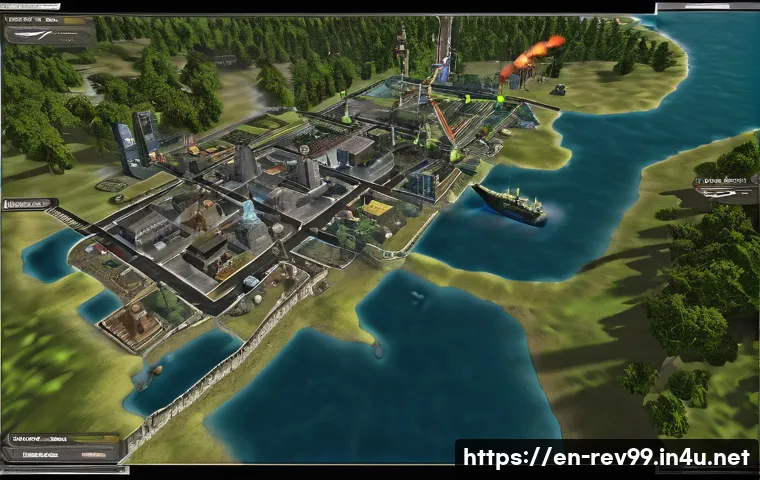
The map in Reverse: 1999 is complex, with multiple routes and hidden areas. Early on, I got lost more times than I’d like to admit. Spending time exploring without pressure helped me memorize key locations and shortcuts.
Don’t hesitate to mark important spots or use in-game map features to track your progress. Familiarity with the terrain can turn a frustrating run into a smooth one.
Using Landmarks and Environmental Clues
Landmarks are your best friend for navigation. Buildings, statues, or unique terrain features can help you orient yourself quickly. I learned to look for distinct shapes or colors in the environment to avoid backtracking or getting turned around.
Sometimes, the game also provides subtle clues in the environment that hint at objectives or hidden paths—keep your eyes peeled.
Planning Your Route
Before rushing into an area, I started planning my route carefully. This meant considering enemy placements, resource locations, and escape paths. Sometimes, taking a longer but safer path was a better strategy than a direct confrontation.
Planning ahead reduces surprises and lets you conserve resources and health.
| Aspect | Tips | Benefits |
|---|---|---|
| Controls | Customize sensitivity, practice movement combos | Smoother gameplay, better reaction time |
| Resource Management | Prioritize essentials, organize inventory | Improved mobility, preparedness for combat |
| Combat | Use cover, choose weapons strategically | Higher survival rate, efficient enemy takedowns |
| Stealth | Use sound distractions, craft stealth gear | Avoid unnecessary fights, conserve resources |
| Navigation | Learn map layout, plan routes | Reduced confusion, faster mission completion |
Community Resources and Learning from Others
Joining Forums and Groups
There’s a thriving community around Reverse: 1999, and tapping into it can fast-track your learning. I joined a few forums where players share tips, strategies, and even coordinate multiplayer sessions.
It’s encouraging to see how others overcome the same challenges, and sometimes you pick up tricks you wouldn’t have discovered on your own.
Watching Gameplay Videos
Watching experienced players can be incredibly insightful. I spent hours on YouTube seeing how they approach different scenarios, which weapons they favor, and how they handle difficult enemies.
This kind of visual learning complements your own practice and can inspire new tactics you might not have considered.
Participating in Online Events
Keep an eye out for online events or challenges hosted by the game developers or community leaders. These events often provide unique rewards and encourage different playstyles.
Jumping into them can break the routine and help you improve under pressure while connecting with other players.
Adjusting Your Mindset for Better Gameplay
Embracing Failure as Part of Learning
I can’t stress enough how many times I died or failed missions early on. Instead of getting frustrated, I started treating each failure as a lesson. What went wrong?
How could I do better next time? This mindset shift made the learning process less stressful and more rewarding.
Setting Realistic Goals
Rather than trying to master everything at once, I set small goals for each session—like improving my aim, exploring a new area, or crafting a specific item.
This approach kept me motivated and gave me a sense of accomplishment without overwhelming me.
Staying Patient and Persistent
Reverse: 1999 isn’t a game you can rush. Patience and persistence are your best allies. I noticed that the more time I invested in learning the mechanics and experimenting, the more enjoyable the game became.
Sometimes stepping away for a break also helped me come back with fresh eyes and new ideas.
Wrapping Up
Getting comfortable with Reverse: 1999 takes time, but the journey is rewarding. By mastering controls, understanding game mechanics, and refining your strategies, you’ll find yourself improving steadily. Remember, patience and practice are key to unlocking the full potential of this immersive experience. Keep experimenting and enjoy every challenge along the way.
Useful Tips to Keep in Mind
1. Customize your control settings early to match your playstyle for smoother gameplay and quicker reactions.
2. Prioritize collecting essential resources like ammo and health kits to maintain mobility and readiness during missions.
3. Use cover and choose weapons wisely to increase your survival chances and handle enemies efficiently.
4. Employ stealth tactics by utilizing sound distractions and crafting stealth gear to avoid unnecessary fights.
5. Learn the map layout thoroughly and plan your routes to reduce confusion and complete objectives faster.
Key Takeaways
Mastering Reverse: 1999 requires a balanced approach between learning controls, managing resources, and adapting combat tactics. Embracing stealth and understanding enemy behavior can often be more beneficial than rushing into fights. Customizing your settings and planning ahead will significantly enhance your gameplay experience. Most importantly, patience and persistence will turn early struggles into satisfying victories.
Frequently Asked Questions (FAQ) 📖
Q: What are the basic controls I should focus on when starting Reverse: 1999?
A: When you first jump into Reverse: 1999, the controls can feel a bit tricky, but focusing on the essentials helps a lot. Start by getting comfortable with movement—walking, running, and crouching are fundamental.
Then, practice how to interact with objects and your environment since the game heavily relies on exploration and puzzle-solving. I found that mastering the timing for actions like jumping or dodging early on really boosted my confidence.
Don’t rush; spend some time in safe areas just practicing these basics, and you’ll notice the game becomes much more manageable.
Q: How can I better understand the unique mechanics in Reverse: 1999?
A: Reverse: 1999 has some mechanics that are quite different from typical games, like time manipulation or environmental puzzles. My advice is to pay close attention to the in-game hints and story clues—they’re not just for story but also teach you how to use these mechanics effectively.
I personally took notes while playing, which helped me remember how certain actions affect the world around me. Experimenting with the mechanics in low-risk scenarios helped me learn without frustration.
Once you start seeing how these systems interact, the gameplay feels way more rewarding and intuitive.
Q: What’s the best way to improve quickly and enjoy the game more?
A: Improving quickly in Reverse: 1999 is all about patience and exploration. I recommend setting small goals each play session, like solving one puzzle or mastering a new mechanic, rather than trying to conquer everything at once.
Also, don’t hesitate to take breaks if you get stuck—sometimes stepping away helps you return with fresh eyes and new ideas. Watching other players or tutorials can provide new strategies, but make sure to try things yourself first; that hands-on experience is where the real learning happens.
Trust me, once you get into the groove, the game’s unique world and challenges become a lot more enjoyable.